
Geriatric Care: Tips to Prevent Falls
January 7, 2017
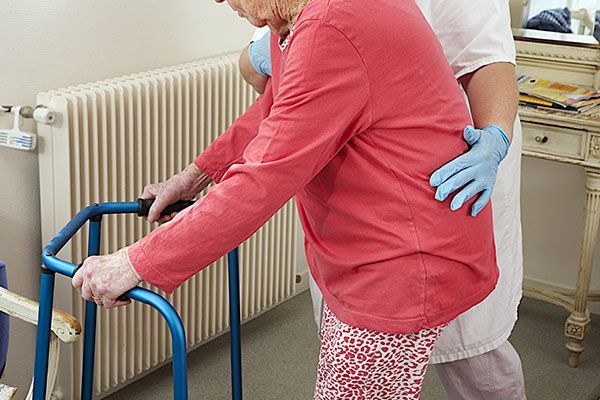
Fall prevention is important for adults of all ages, but especially for the elderly who are more prone to broken bones. One in four Americans aged 65 and older fall each year, according to the U.S. Centers for Disease Control and Prevention.
Whether it’s slipping from bad traction, dizziness from medication or environmental factors like electrical cords, some of the most common reasons that people fall occurs in the home. Here are a few simple changes you can make in your loved one’s home to prevent falls:
- Clear the clutter! Keep floors free of debris, especially in high-traffic areas.
- Create a safe space. If there are rugs in the home, make sure to tape them in place or use skid-proof backing. Run electrical wires along the wall instead of across the room. Don’t forget about lighting! Install bright bulbs in stairwells and hallways for better guidance.
- Add safety supports. Install handrails and grab bars along the stairs and in the bathroom. If the grab bars aren’t enough support, consider using a shower chair and hand-held shower head.
- Dress appropriately. If your loved one has trouble moving about their home, it’s important to wear properly fitting clothing that doesn’t drag on the ground or get caught as they’re walking. Wearing sturdy rubber-soled shoes can also prevent slips.
While these tips can go a long way toward making sure your loved one remains safe at home, sometimes falls still happen. Remember to share these tips to help prevent broken bones during a fall:
- Fall correctly. Avoid falling on your side because it may cause a broken hipbone. Instead, try to fall forward or backward.
- Break a fall. If possible, try to grab on to something in the home or use your hands to break a fall.
- Protect your head.
Head injuries can be very serious, so position your head in a way that protects it.
- Stay loose. Try breathing out as you fall to keep your body relaxed. Tension can cause your injury likelihood to go up.
More From Our Blog
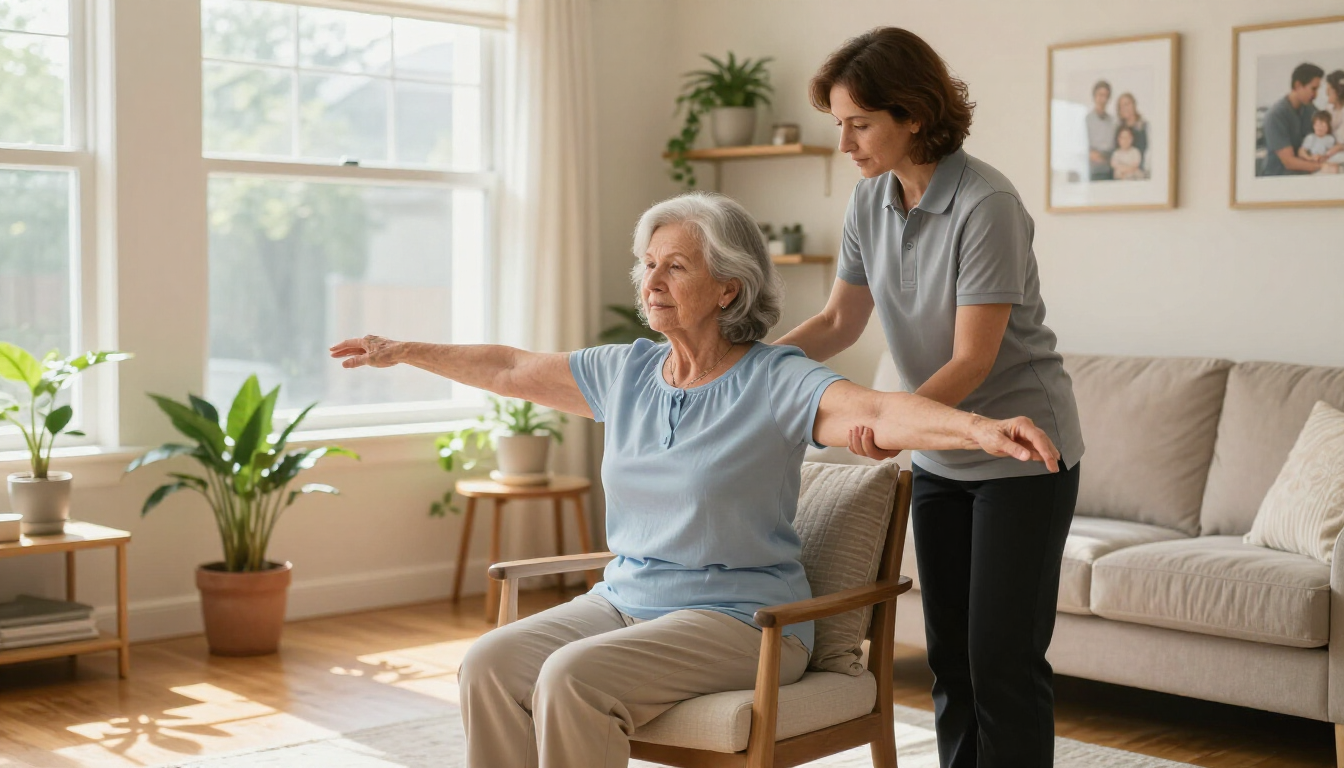
Learn how light exercise and gentle movement help MS patients maintain mobility, build balance, and reduce flare-ups through safe, supervised routines.
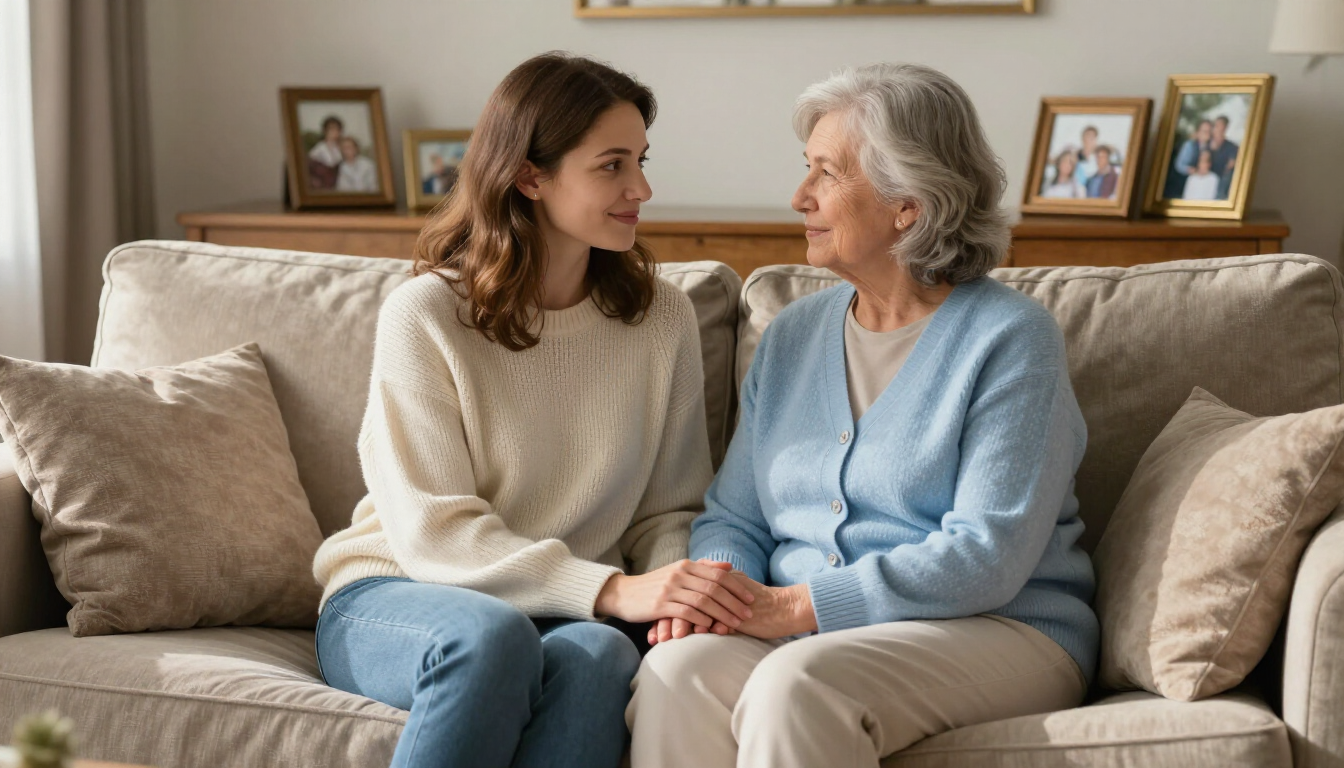
Learn how to handle difficult conversations about care needs with empathy, planning, and solutions-focused dialogue that brings families closer together.

Learn the key differences between in-home care and home health care — services, insurance coverage, and how to choose the right fit for your loved one.

Explore safe, affordable transportation options for seniors who no longer drive, including ride-share services, community shuttles, and help from family or friends.

Reduce fall risks and support mobility with practical tips on home safety, supervised recovery, and safe exercises to maintain strength and independence.
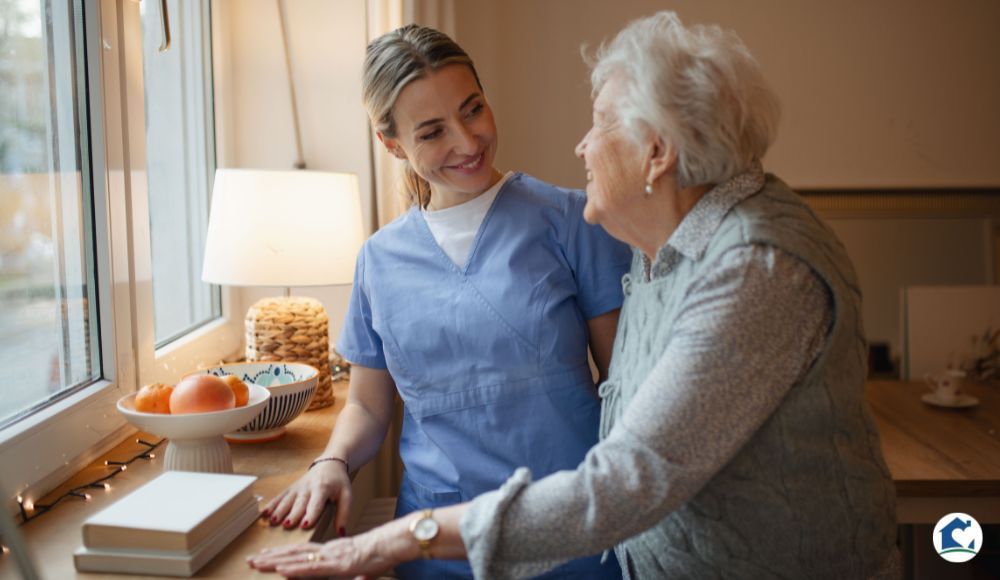
Discover how companionship enhances dementia care by reducing loneliness, building trust, and providing vital emotional and mental stimulation for improved well-being.
Discover how companionship improves seniors’ well-being by reducing loneliness, building meaningful relationships, and fostering a strong sense of purpose.

Learn practical nutritional guidance for MS patients living at home, including anti-inflammatory foods, energy-boosting strategies, and how to avoid common dietary triggers.

Learn practical tips for safely managing medications for elderly loved ones, including organizing pills, ensuring proper dosing, and avoiding prescription errors.