Customized Home Care: Tailoring Services to Individual Needs

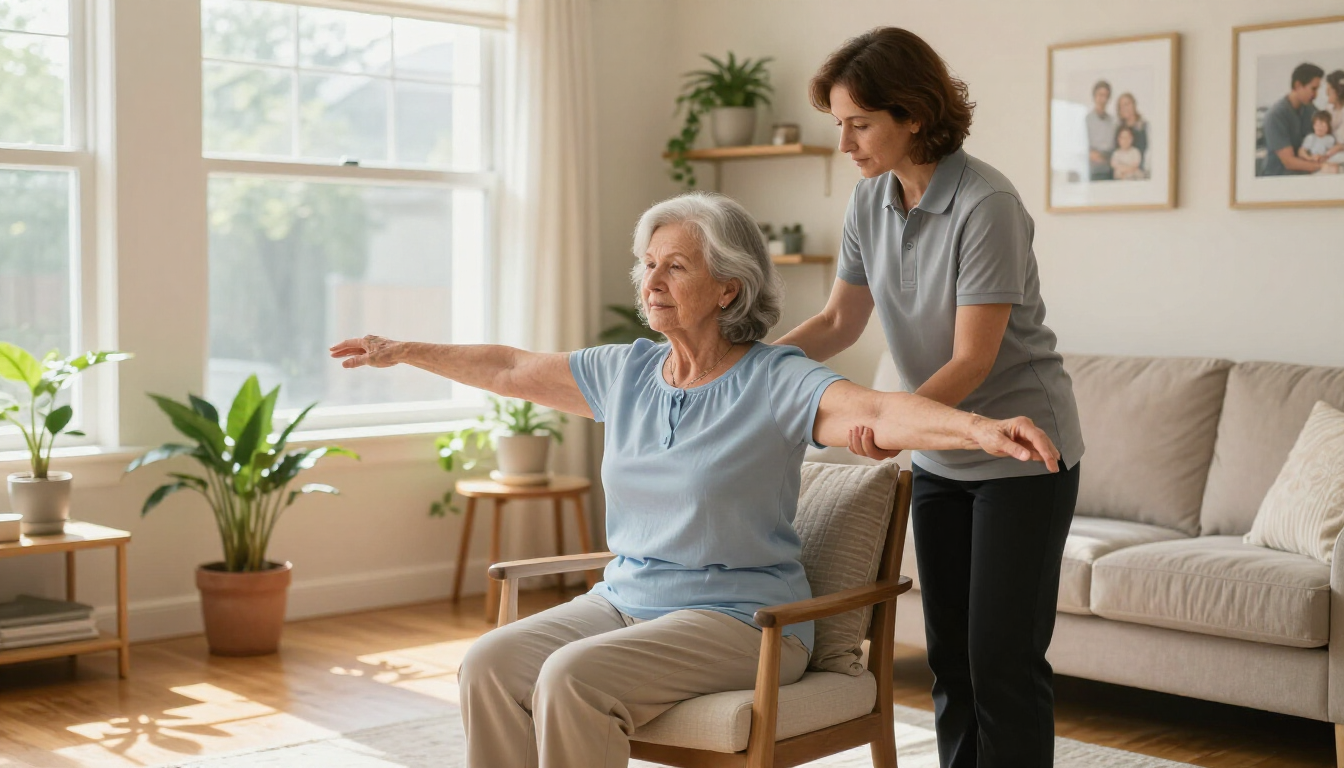
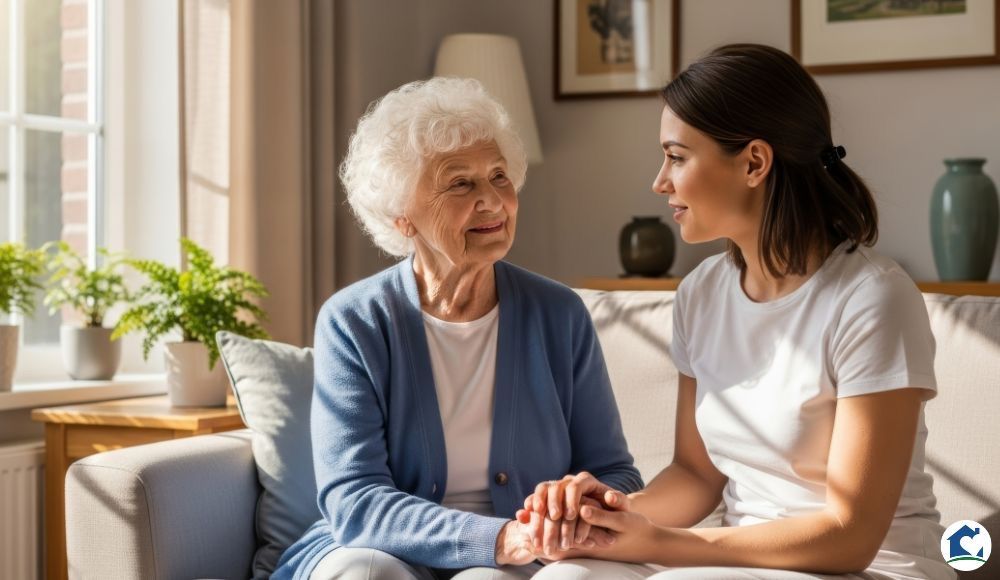
Every senior ages differently, which is why tailored home health care plans are so important. A personal care plan is a way to help someone that considers their health, habits, likes, and daily routine. Customized care doesn't offer a "one-size-fits-all" solution; instead, it focuses on what each person needs to live independently.
A personalized plan ensures that services fit the senior's lifestyle and respect their choices and dignity, whether they need help several hours a week or every day. It's easy to see the goal: to give the right amount of care at the right time and to be flexible as life changes.
Assessing Individual Health and Lifestyle Requirements
The foundation of a customized care plan starts with a thorough assessment. This step helps caregivers understand both medical needs and personal priorities. Health factors may include chronic conditions, such as diabetes, arthritis, and heart disease, as well as mobility limitations, drug regimens, and fall risks. Equally important are lifestyle elements, including daily routines, preferred meal choices, sleep patterns, cultural values, and social interests.
For example, one senior may need transportation and light housekeeping; another may need help with bathing, meals, or medication reminders. Some value companionship, while others value privacy and independence. By combining health information with preferences, caregivers can build a helpful—not intrusive—plan.
Adapting to the Changing Needs of the Senior
The first step in creating a home health care plan is to conduct a comprehensive assessment. It helps caregivers understand both the person's medical needs and personal priorities, including chronic conditions, mobility, medications, fall risks, daily routines, favorite foods, sleep patterns, cultural values, and social interests.
For example, one senior might need help getting to appointments and doing light housework, while another might need help remembering to take their medicine, bathing, and making meals. Some people value being around other people more than anything else, while others value their freedom and privacy. By combining health information with personal preferences, caregivers can create a plan that feels helpful rather than intrusive.
Collaborating with Medical Professionals as Needed
When caregivers and medical professionals work together, care can be more patient centered. Seniors may have several people helping them, such as their primary care doctor, specialists, physical therapists, occupational therapists, or home health nurses. When caregivers understand what the doctor says, they can help keep seniors healthy overall.
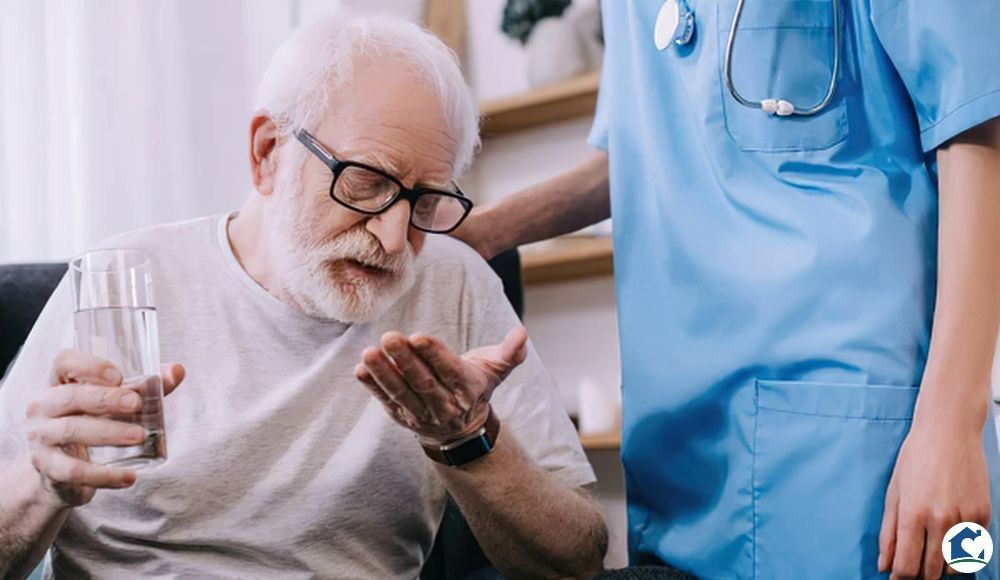
Following mobility guidelines, monitoring symptoms, supporting nutrition goals, and ensuring people take their medications as prescribed are all things that working together could mean. Caregivers can also tell doctors about changes in appetite, confusion, or balance problems to help them adjust treatment plans more quickly.
When people work together and communicate clearly, personalized care plans become more than just a list of things to do. They become an active support system that helps older people feel safer, healthier, and more confident at home.
Request a Free In-Home Consultation with a Licensed Nurse
Discover how Comforting Home Care by Phoebe, a leader in home care, can support you or your loved ones. Schedule a complimentary in-home consultation today, and one of our compassionate licensed nurses will visit you anywhere in Berks, Bucks, Lehigh, or Northampton Counties.
Contact us at 610-625-5206 or connect with us online to learn more.
More From Our Blog