The Importance of Medication Management During Recovery
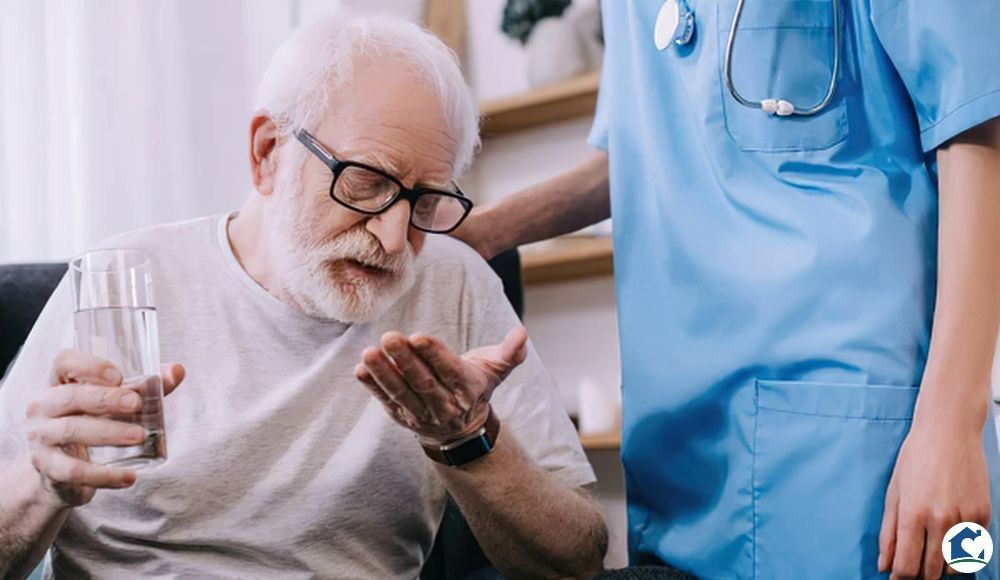
Managing medications is an essential part of getting better after being sick, having surgery, getting hurt, or having a substance use disorder. As part of home transition care, doctors often prescribe medicine to help with pain, manage long-term illnesses, prevent complications, or help them stay mentally and physically stable.
Patients who take the wrong medications or do not take them at all can have a slower recovery with a higher risk. Properly managing medication ensures that treatments work as intended and reduces the risk of side effects. It also allows patients and their families to be part of the healing process, helping keep them safe, healthy, and consistent.
Organizing Medications and Following Schedules
Keeping track of medications is one of the most challenging aspects of recovery. Many people take more than one medication with varying doses and schedules, which adds to the confusion. Taking the wrong amount of medicine or at the wrong time can make it less effective or cause harmful reactions.
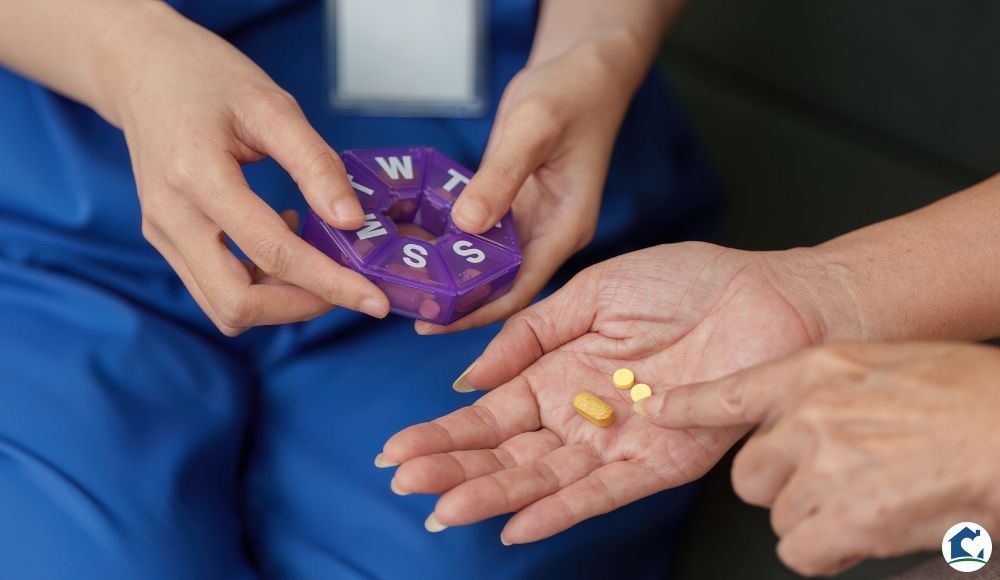
Pill organizers, medication charts, alarms, or reminder apps on your phone can help you maintain your schedule, while keeping medications in one safe place with clear labeling helps avoid mistakes. Having a planned schedule allows people who are recovering from surgery or dealing with mental or emotional stress to feel less overwhelmed and more consistent. Following the rules is especially important for medications like antibiotics, pain relievers, or maintenance medications, because not taking them as directed can lead to problems or a return to the original problem.
Educating Families about Proper Medication Usage
Family members and caregivers often play a vital role in supporting recovery, particularly when patients are elderly, have complex conditions, or are regaining independence. Educating families about each medication’s purpose, dosage, timing, and potential interactions is important for safe home health care.
When families understand why a medication is prescribed and how it supports recovery, they are better equipped to encourage adherence and recognize concerns early. Education should also include proper storage, safe disposal of unused medications, and the importance of not sharing prescriptions. Open communication between medical practitioners, patients, and families encourages trust and ensures everyone is on the same page with the recovery plan.
Monitoring for Side Effects and Health Changes
Even when medications are taken correctly, side effects or unexpected reactions can occur. Monitoring physical, emotional, and behavioral changes is a key part of medication management. Side effects such as dizziness, nausea, mood changes, fatigue, or changes in appetite should be documented and promptly communicated to a medical professional.
Ongoing monitoring allows providers to modify dosages, switch medications, or address interactions before they become serious. This is particularly important during recovery, when the body is healing and may respond differently than usual. Frequent follow-ups, follow-up appointments, and honest reporting help ensure medications continue to support recovery rather than hinder it.
Effective medication management is more than simply taking pills—it is about creating a safe, informed, and caring system that promotes healing and long-term health.
Request a Free In-Home Consultation with a Licensed Nurse
Discover how Comforting Home Care by Phoebe, a leader in home respite care, can support you or your loved ones. Schedule a complimentary in-home care consultation today, and one of our compassionate licensed nurses will visit you anywhere in Berks, Bucks, Lehigh, or Northampton Counties.
Contact us at 610-625-5206 or connect with us online to learn more.
More From Our Blog