How In-Home Care Helps Prevent Hospital Readmissions
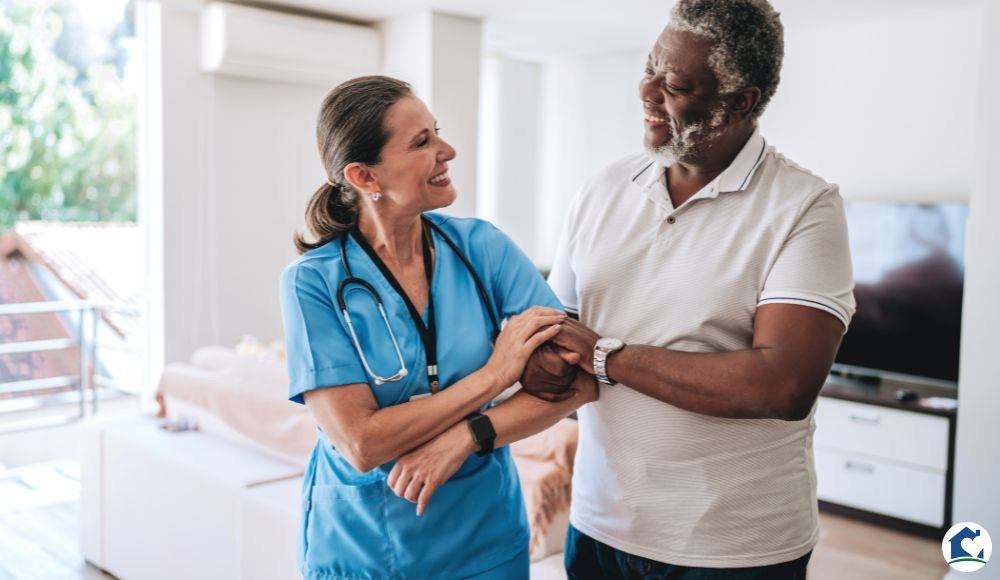
Patients, families, and healthcare providers are all concerned about hospital readmissions. People, especially older adults or those with long-term health problems, often go through a fragile recovery period after leaving the hospital. Not taking their medications, not being able to move around, not eating well, and not getting follow-up care can all eventually set them back.
In-home care is a proactive, personalized solution that helps people get better where it matters most: at home. It significantly reduces the risk of preventable hospital readmissions by providing dedicated support, health monitoring, and personalized care.
Reducing the Likelihood of Complications Post-Hospitalization
It can be comforting to recover at home, but it can also be hard. Patients often have difficulty moving around, caring for their wounds, or understanding discharge instructions after leaving the hospital, which can lead to many problems. In-home caregivers help fill this gap by ensuring the patient follows the rules for after-hospital care correctly.
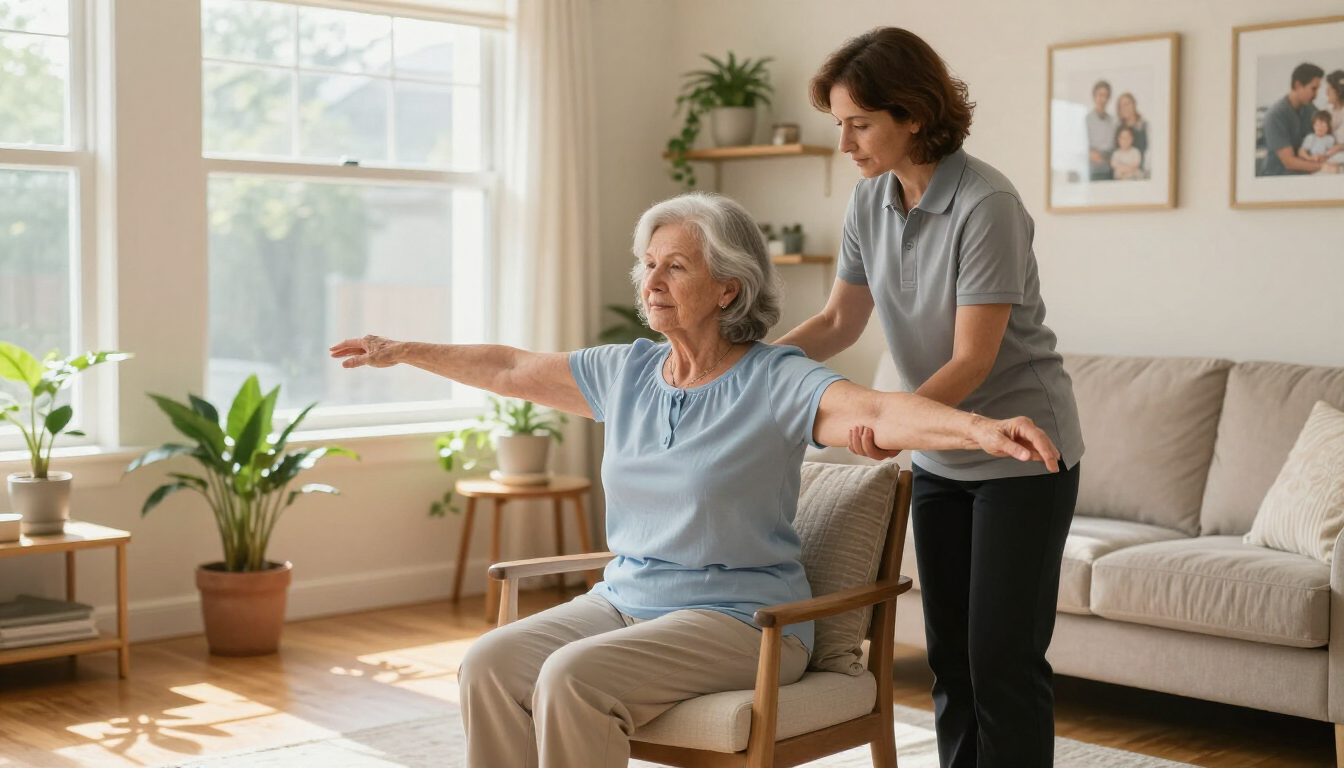
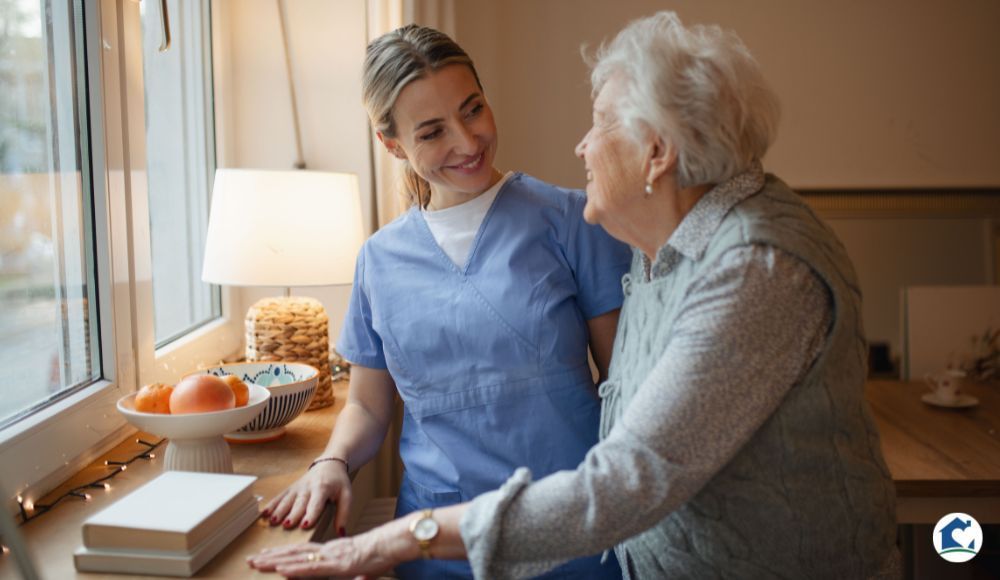
Caregivers help with essential tasks like changing clothes, assisting with mobility, bathing, and preparing meals. This assistance lowers the chance of falls, infections, and other problems that could have been avoided. They can also help patients eat and hydrate properly, which is an essential but often forgotten part of recovery.
In-home care workers also act as extra eyes and ears, spotting early warning signs that a patient or family member might miss. Timely action prevents minor problems from getting so severe that they require another hospital stay, whether it's a new symptom, swelling, fever, or more pain.
Providing Continuous Care and Monitoring at Home
It's vital to monitor a patient after they leave the hospital. Patients don't always receive the care they need at home. Caregivers check vital signs, monitor chronic diseases, and ensure that every day routines support healing.
This continuing care will be beneficial for people who have more than one chronic ailment, such as diabetes, heart disease, or COPD. Regular examinations help detect problems early and ensure that patients follow their rehabilitation regimens or take their medications as instructed. When issues arise, caregivers promptly contact family members and healthcare specialists to adjust care plans immediately.
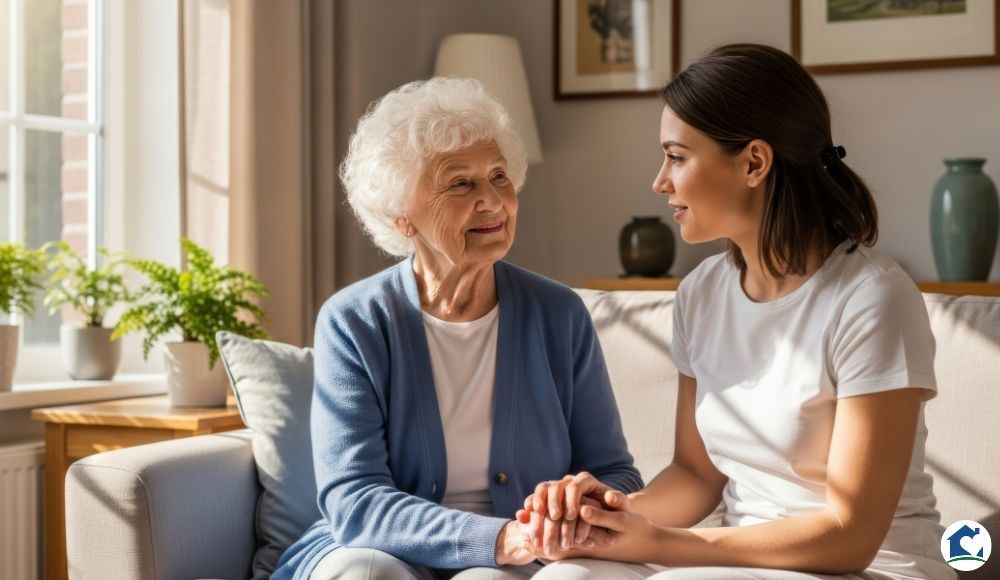
In-home care also helps emotionally, which is a big part of getting better. Having someone there to soothe the patient allows them to feel less stressed and anxious, both of which are known to slow recovery and make medical conditions worse.
Ensuring Medication Adherence and Wellness Checks
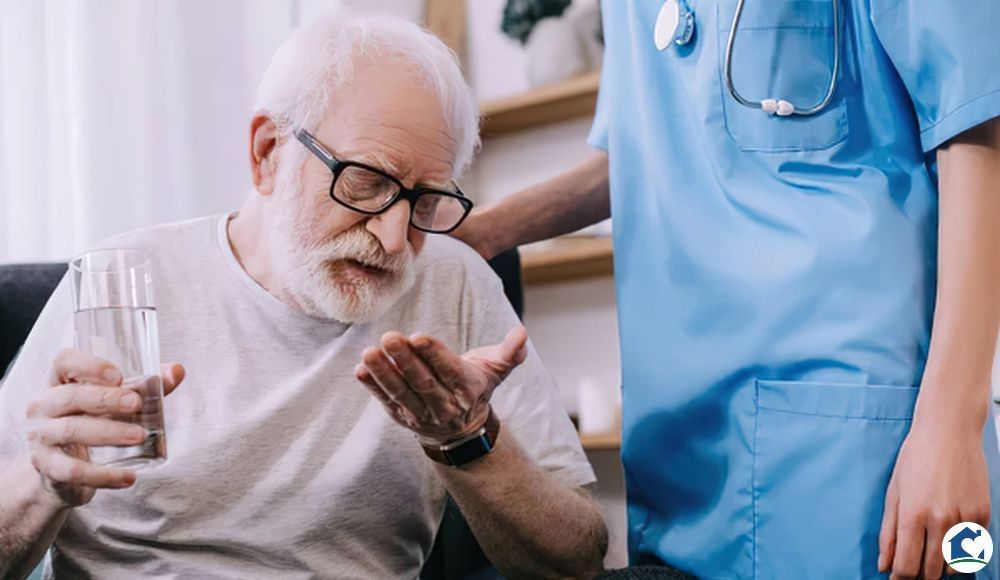
People often must return to the hospital because they don't take their medicine as directed. Patients may forget to take their medications, take too much, or not understand the directions. In-home caregivers help them remember to take their meds, create reminders, and ensure they take them on time and correctly.
Taking care of one's health goes beyond taking medications. Caregivers watch for changes in mood, sleep, eating, mobility, and overall health. These health checks ensure that any issues are detected early and communicated to doctors and nurses so they can respond promptly.
Request a Free In-Home Consultation with a Licensed Nurse
Discover how Comforting Home Care by Phoebe can support you or your loved ones. Schedule a complimentary home care consultation today, and one of our compassionate licensed nurses will visit you anywhere in Berks, Bucks, Lehigh, or Northampton Counties.
Contact us at 610-625-5206 or connect with us online to learn more.
More From Our Blog