The Benefits of a Daily Routine for Independent Living

Independent living is much easier with a daily schedule. Structure helps those who live alone by choice, circumstance, or as part of aging in place with stability, confidence, and a sense of purpose. Having a defined plan for each day can help you feel less stressed, improve your mental and physical health, and make it easier to keep up with your responsibilities without relying heavily on others. Planning your day with a purpose, from morning to night, can help you stay independent and feel better.
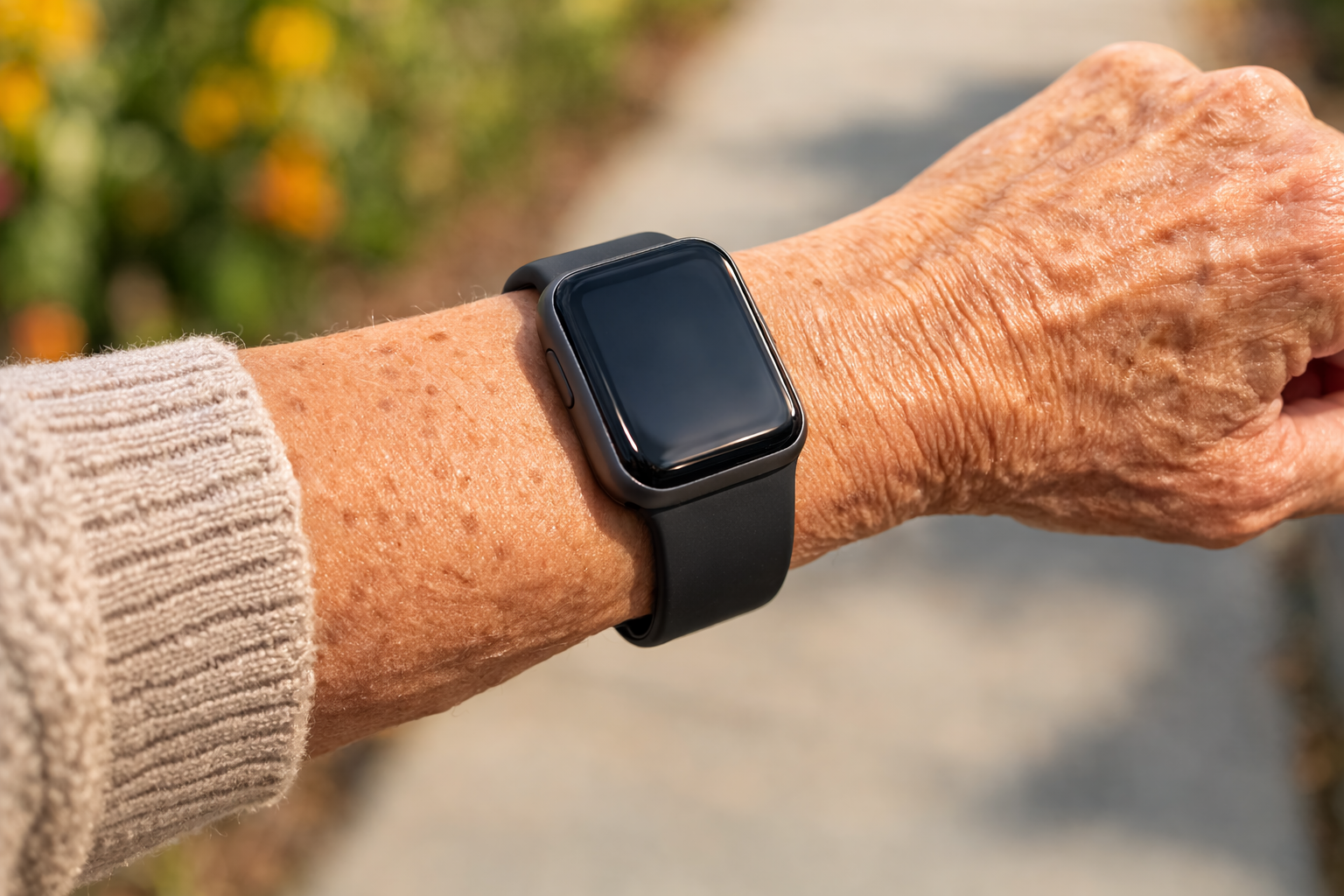
Start Each Day with a Consistent Wake-Up Time
When you live alone, it can be beneficial to get up at the same time every day. This habit helps your body's internal clock run more efficiently, meaning you will sleep better and have more energy during the day. When your mornings are consistent, you are less likely to feel rushed or confused, and it's easier to plan activities, appointments, and personal care.
Getting up at the same time every day also makes you feel like you have more control, which makes it easier to make decisions and feel safe. It can help you feel better, concentrate better, and start healthier morning routines, such as stretching, light exercise, or having a peaceful lunch. Getting up at the same time, including on weekends, helps you sustain these benefits and keeps things running smoothly.
Include Time for Meals and Social Activities
Another essential part of a successful daily routine is setting regular meal times. Eating at regular times helps you get the proper nutrients, keeps your energy levels steady, and stops you from missing meals because you're too busy or forgetful. Making meals at specific times can also help you stay on track and give you small goals to look forward to.
It's important to plan social activities on purpose, not just for nutrition. Being able to live on your own doesn't mean being alone. Making time for phone calls, meals with friends, hobbies, or community events helps keep strong social ties. Interacting with other people is excellent for your mental health, makes you feel less lonely, and keeps you interested in the world. When meals or activities are part of a routine, they become reliable times to connect instead of things that come to mind later.
End the Day with a Relaxing Activity or Routine
Evenings are best when they follow a calming pattern, just like mornings are best when they are consistent. A relaxing routine at the end of the day tells your body and mind that it's time to slow down. You could read, listen to music, do some light stretching, write in a journal, or have a warm drink.
A routine for winding down can help you sleep better and feel less anxious at night. It also gives you a sense of closure at the end of the day, helping you feel more independent by providing a place to rest and think. This habit helps keep your emotions in check and gets your body ready for another productive day.
Adding a daily routine doesn't take away your independence; it makes it stronger. Independent living is easier, more satisfying, and more sustainable when you start the day the same way every day, take care of your body and your relationships, and end the day with some relaxation.
Contact Us for More Tips on Living Independently
Phoebe Ministries is a home health care agency serving Berks, Bucks, Lehigh, and Northampton counties. We offer several options—from in-home care assistance to independent living communities—to ensure you or a loved one can continue living safely and independently.
Call us today at 610-625-5206 or connect with us online to learn more!
More From Our Blog