How Non-Medical Care Supports Independence in MS Patients
People who need multiple sclerosis care often have to deal with symptoms that come and go and can affect their balance, energy levels, mobility, and daily routines. Many people with MS need practical, everyday help in addition to medical care to keep living life on their own terms. That's when non-medical home health care services are especially helpful.
Non-medical caregivers don't take the place of doctors or nurses. Instead, they help with everyday tasks that can get harder over time, like cooking, cleaning, getting around, and following personal routines. People with MS can stay safe, comfortable, and confident at home while keeping as much independence as possible with the right kind of help.
Customizing Care Plans to Maintain Independence
No two MS journeys look exactly the same. Symptoms may come and go, progress slowly, or change suddenly depending on flare-ups and fatigue. Because of this, non-medical care is most effective when it’s personalized. A customized care plan focuses on supporting what the person can do, not taking over everything.
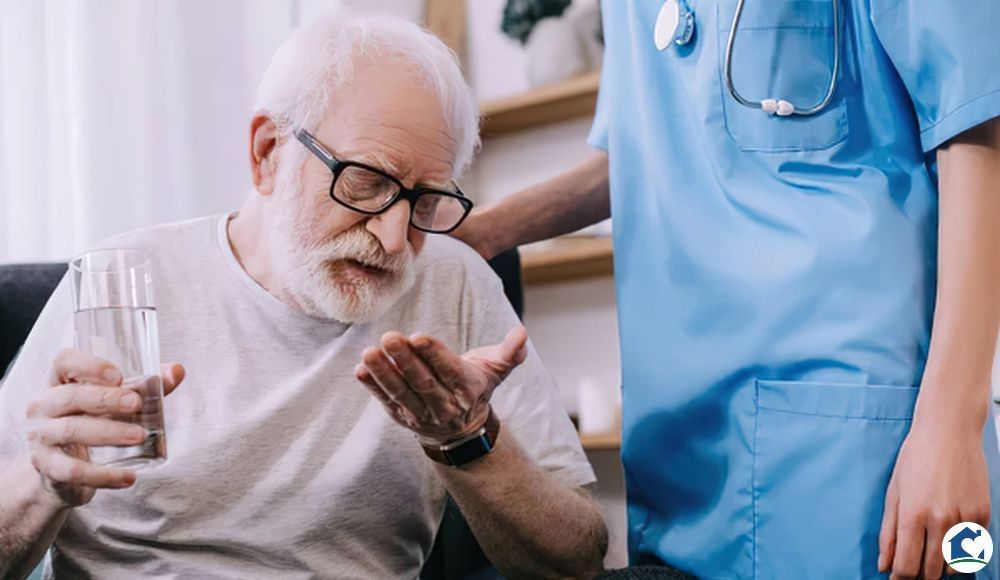
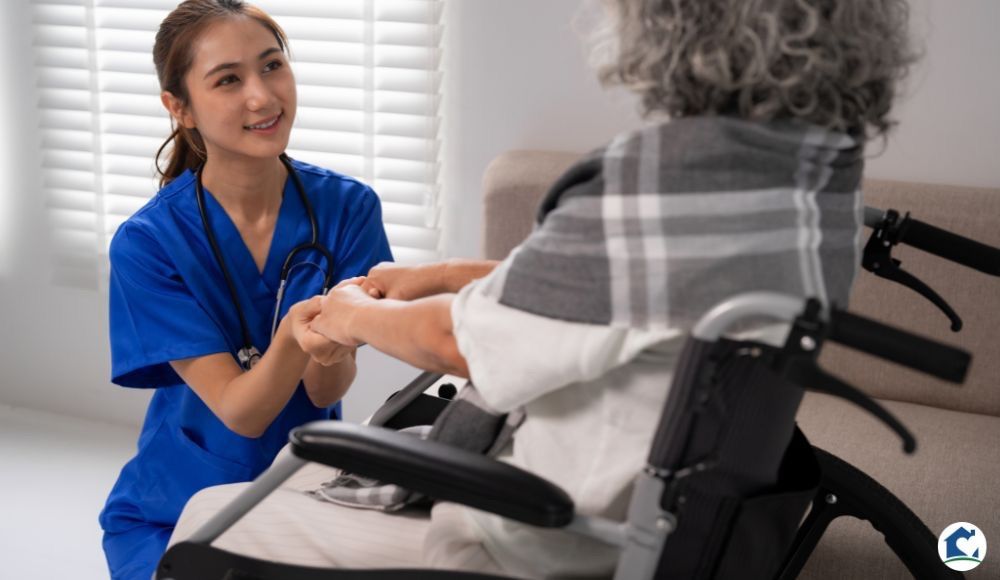
For example, a caregiver might help set up a morning routine that reduces strain, assist with organizing medications (without administering them), or prepare meals that match dietary needs and energy levels. They can also help reduce fall risks by keeping walkways clear, assisting with mobility aids, and supporting safe transfers. By adjusting the level of help as symptoms change, non-medical care supports long-term independence instead of creating dependence.
Encouraging Autonomy in Daily Decisions
Being independent isn't just about doing things on your own; it's also about how you feel and who you are. People with MS often get angry when they can't make small decisions every day. A good non-medical caregiver knows that independence is important and helps the person stay in charge. Instead of making decisions for them, they could give them options about what to eat, what to wear, when to do things, or what to do. Even when help is needed, caregivers can still encourage participation.
For example, they can let someone help with the harder parts of a meal while letting them prepare some of it. This method maintains confidence and reinforces the idea that the person can still do things, even when symptoms make some tasks harder.
Providing Guidance on Maintaining Dignity and Respect
MS often creates uncomfortable or embarrassing situations, especially when personal care, fatigue, or mobility issues are involved. Non-medical caregivers can protect their patients' dignity through respectful communication, patience, and professionalism. Simple actions — such as explaining what they will be doing, providing privacy during dressing or hygiene routines, and listening without judgment—make a significant difference.
Respect also means recognizing boundaries and preferences. When caregivers treat individuals with MS as adults with full control over their lives, they help preserve self-esteem and emotional well-being. Ultimately, dignity and independence go hand in hand.
We Can Provide Excellent Living Arrangement for Someone with MS
Comforting Home Care by Phoebe works with your family to create the best possible living arrangement for your family members. We are committed to helping our clients manage their MS and live on their own terms. We help make it possible for individuals suffering from MS to maintain their independence, stay in their own homes, and get out of their houses from time to time with the proper help.
Call us today at 610-625-5206 to learn more about our home health care services or connect with us online.
More From Our Blog