Technology Tools That Aid Dementia and Alzheimer's Care
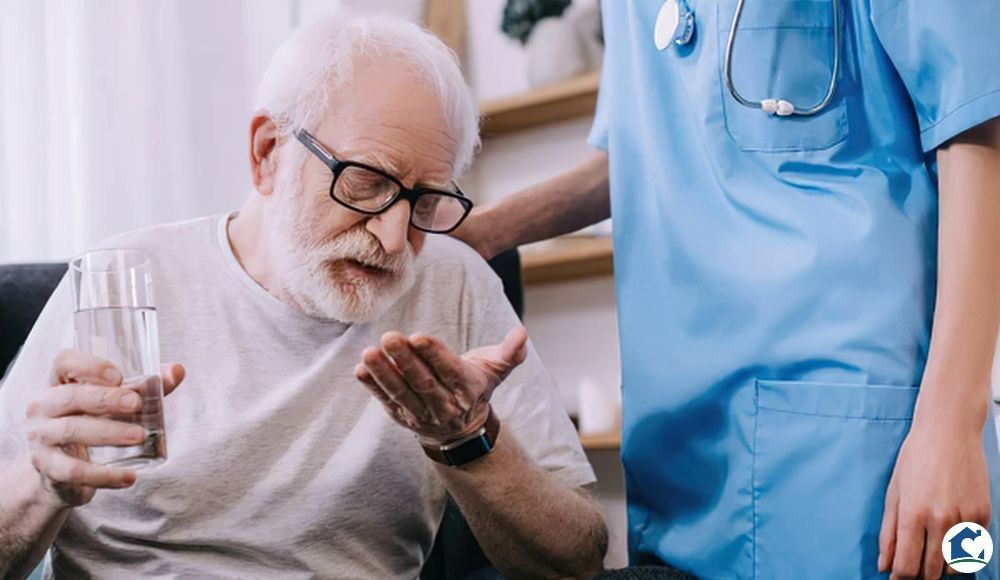
Families and caregivers experience unique daily challenges when caring for someone with dementia or Alzheimer's disease. As memory, reasoning, and communication skills get worse, everyday tasks like taking medicine, remembering appointments, or safely getting around familiar places can become hard. Fortunately, people who are experiencing cognitive decline can use modern technology to make their lives safer, more independent, and easier to communicate.
Technology is becoming more and more important in the care of people with dementia and Alzheimer's. This includes everything from simple medication reminder devices to advanced wearable health monitors.
Using Tracking Devices and Medication Reminders
Caregivers can quickly find a loved one who has gone missing by using GPS-enabled tracking devices. These devices are often worn as bracelets, pendants, or built into smartwatches. Many devices have geofencing features that alert caregivers when the person moves outside a designated area, such as leaving the house or neighborhood without warning. This gives caregivers peace of mind while still permitting them to maintain some level of independence.
Another useful tool is a medication reminder. Smart pill dispensers and reminder apps can let you know when it's time to take your medicine. Some automated dispensers deliver the correct dose at the right time and notify caregivers if a dose is missed. These systems reduce the chance of missing or taking two doses, which can be very dangerous for older people who have to take more than one prescription.
Integrating Digital Apps for Family Communication
Several family members or caregivers could be working together, and digital apps designed for caregiving coordination can help them keep informed and organized.
Sharing apps can enable everyone track schedules, medication routines, doctor appointments, and daily care tasks in one platform. Using them means that all caregivers know what has been completed and what still needs attention. It also reduces confusion and prevents important details from being overlooked.
Many of these platforms include messaging features that allow caregivers to quickly communicate about changes in behavior, symptoms, or health concerns. Some apps even store medical records, care plans, and emergency contacts, so that critical information is easily accessible during doctor visits or urgent situations.
Because of this improved coordination, families can provide more reliable care and reduce the communication lapses that often occur in many caregiving situations.
Monitoring Health with Wearable Technology
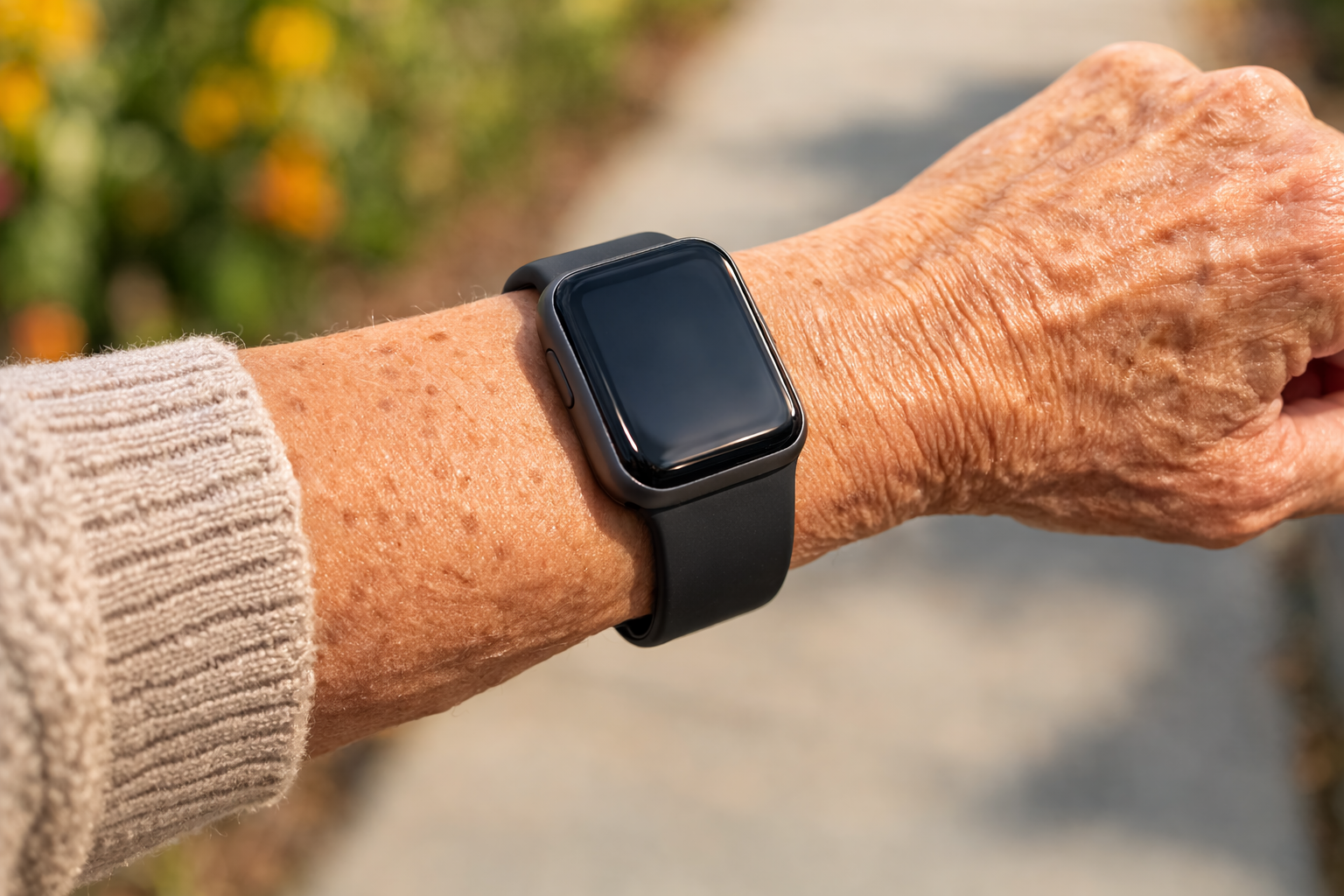
Wearable health technology, such as smartwatches and trackers, continuously monitors heart rate, physical activity, sleep patterns, and, in some cases, fall detection. Since individuals with cognitive decline are often at higher risk for accidents, a fall detection feature that notifies caregivers or emergency contacts whenever a fall occurs is notably helpful.
In addition, health-tracking data can provide caregivers and healthcare providers with useful knowledge of changes in activity levels, sleep disturbances, and unusual heart rate patterns. These trends may signal emerging health issues that require medical attention.
As technology develops, these wearable devices will play an even greater role in supporting safer, more responsive dementia care—helping caregivers protect their loved ones while preserving dignity and independence.
Request a Free In-Home Consultation with a Licensed Nurse
Discover how Comforting Home Care by Phoebe can support you or your loved ones with quality in-home long-term and respite care. Schedule a complimentary in-home health care consultation today, and one of our compassionate licensed nurses will visit you anywhere in Berks, Bucks, Lehigh, or Northampton Counties.
Contact us at 610-625-5206 or connect with us online to learn more.
More From Our Blog