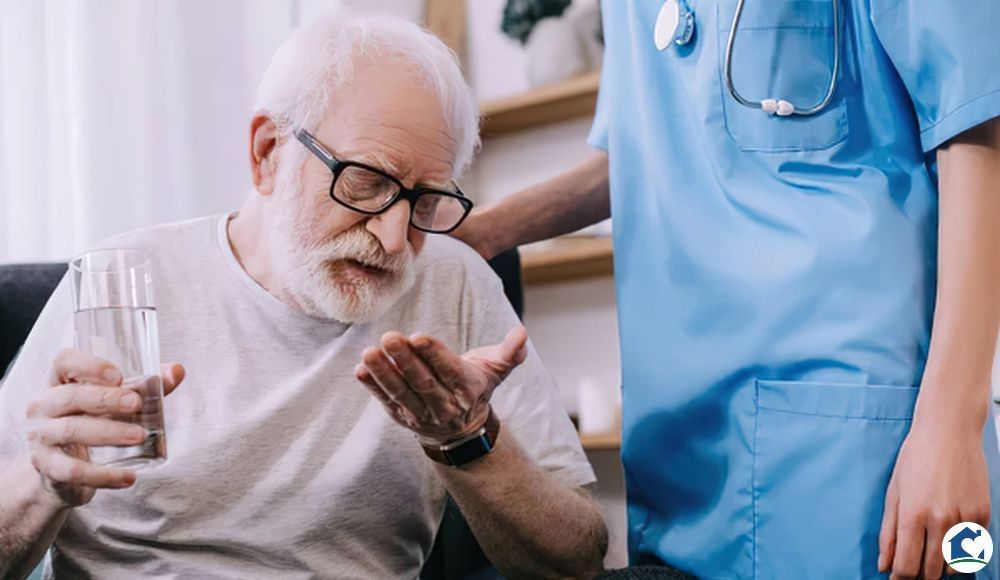
Customized In-Home Care Plans for Post-Hospital Patients

Recovering after a hospital stay usually takes more than rest. Many people still need help with moving around, taking medicine, caring for wounds, or handling daily tasks once home. Hospitals provide essential treatment. But time at home can be challenging without the right transitional care. Customized in-home care plans fill this gap. They provide support that fits each person’s health needs, recovery pace, and situation.
Professional caregivers and care coordinators create care plans to help people heal, feel comfortable, and stay independent. These plans support recovery and lower the risk of problems or rehospitalization. By focusing on each person’s needs and adjusting as they improve, customized in-home care offers a steady, flexible path to regaining health.
Addressing Specific Recovery Goals for Each Patient
Every patient has a unique path to recovery. Age, medical condition, type of surgery or illness, and overall health all affect how quickly someone heals and what kind of help they need. A customized in-home care plan begins with a thorough evaluation of the patient's current skills and recovery goals.
For instance, a person who has had joint replacement surgery may need help with mobility exercises, getting to physical therapy, and doing chores around the house. Someone who is recovering from heart surgery, on the other hand, may need reminders to take their medicine, help with their diet, and close monitoring of their symptoms. By setting these specific goals early on, caregivers can focus on tasks that will help the patient reach their recovery milestones.
Adjusting Care as the Patient’s Needs Change
Recovery often changes over time. As people get stronger and more independent, the kind of help they need also changes. Customized in-home care plans are made to adjust as needed, so the support always fits the stage of recovery.
Right after leaving the hospital, people may need a lot of help with things like bathing, getting dressed, taking medicine, and moving around. As they recover, caregivers can slowly step back and encourage them to do more on their own.
Care providers check in regularly to see if schedules, services, or priorities need to change. If someone has a setback or new symptoms, the care plan can be updated quickly. This way, patients always get the right care when they need it.
Aligning Care with Doctor-Recommended Protocols
Good recovery after leaving the hospital depends on following the doctor’s advice. Customized in-home care plans are made to match these instructions, making sure treatment is done right at home.
Caregivers often team up with healthcare providers to go over discharge instructions, medicine schedules, therapy plans, and diet advice. By supporting these medical steps, in-home caregivers help patients stick to their treatment plans.
This teamwork can involve checking vital signs, helping with exercises, making sure medicines are taken properly, and keeping track of any changes in the patient’s health. When caregivers stay in touch with doctors or care coordinators, they can spot problems early and deal with them before they get worse.
When personal support is combined with medical advice, customized in-home care plans make recovery at home safer and more effective. Patients can feel confident knowing their care is well-organized, flexible, and follows their healthcare team’s recommendations.
Request a Free In-Home Consultation with a Licensed Nurse
Discover how Comforting Home Care by Phoebe, a leader in home respite care, can support you or your loved ones as they recover from a hospital stay. Schedule a complimentary in-home care consultation today, and one of our compassionate licensed nurses will visit you anywhere in Berks, Bucks, Lehigh, or Northampton Counties.
Contact us at 610-625-5206 or connect with us online to learn more.
More From Our Blog