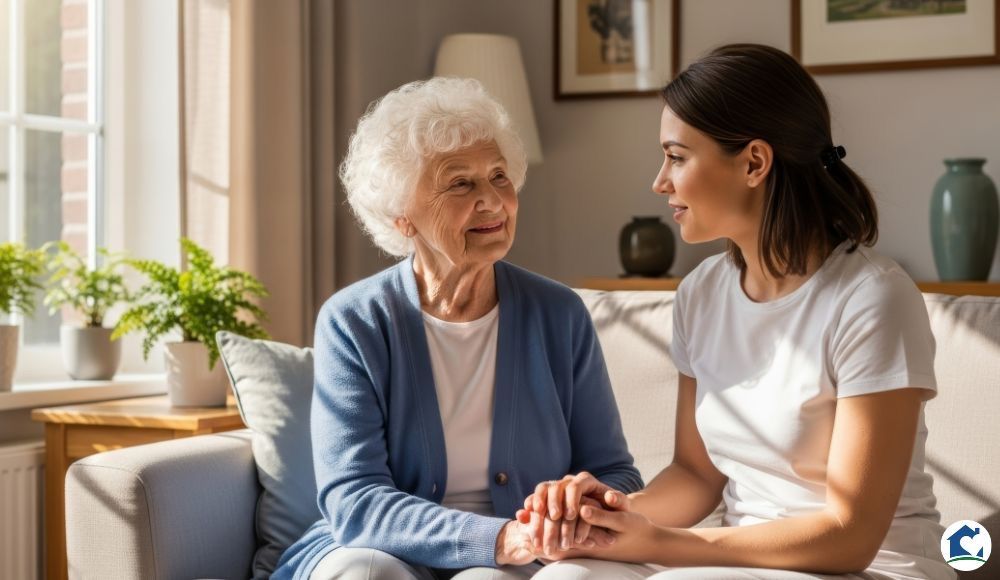
Companionship and Dementia Care

Alzheimer’s and dementia care is more than just the physical care of individuals. It’s not about mindless gestures, mental health, or autonomy, they said, but thoughtful ways that they supported that and felt empowered by an individual with dementia — and a support network. As memory, cognitive, and communication skills decline, companionship is one of the most important tools in dementia care.
Being present and sympathetic to people can help them feel seen, heard, and appreciated, and, over time, change their entire perspective. A friend or relative, a professional caregiver, or a volunteer who offers presence to someone who’s older, or who can support your quality of life and stave off emotional decline, is a powerful factor in this.
Providing Emotional and Mental Stimulation
Friends are a means of providing patients with dementia companionship, which can provide psychophysical and mental stimulus; people with dementia have a great need for companionship. Simple interactions, such as speaking, sharing stories, listening to or playing music, telling stories, and doing things familiar to them, may also stimulate them and introduce new things for them to remember about a certain type of experience.
It’s very difficult to put into words: a look, a smile, or holding hands can do wonders for connecting. The presence of companions provides constant mental stimulation, allowing the brain to work longer. Things such as browsing a person’s long history and interests, engaging in activities (e.g., looking through photo albums), doing puzzles, gardening, or other forms of engagement can help trigger recognition. Such times of communion provide a sense of purpose and joy and help people to mitigate the frustration and agitation associated with cognitive decline.
Combatting Loneliness and Isolation
Dementia isn’t a friendly thing. If people can’t communicate or socialize, they can withdraw from others or feel disconnected. The opposite is companionship – a constant flow of interaction and encouragement. Sometimes being around someone can alleviate loneliness even when that presence is there only to be silent.
A schedule of visiting and sharing feelings of routine and expectation. Social interaction lifts mood, lessens anxiety, and improves health. Conversely, prolonged isolation can accelerate cognitive decline and heighten depression risk, so companionship is not just helpful but critical.
Fostering Trust and a Sense of Belonging
Trust is the cornerstone of good dementia care, and companionship supports the development and maintenance of that trust over time. Familiar faces and reliable caregivers help create a sense of safety, particularly important at a time when patients grow increasingly bewildered or disoriented. Safety and security help people with dementia become more compliant with care routines or less distressed by them.
But companionship also encourages a feeling of belonging. Taking part in discussions, family gatherings, or simply the drudgery of daily life keeps them a part of something like their community. That emotional belonging strengthens self-respect and self-image, which would otherwise fade as progressive illness develops.
At the end of the day, companionship means developing relationships that give emotional strength, mental engagement, and dignity. These human connections often provide the greatest support for people with dementia.
Learn More About Our In-Home Care Services
Do you know someone exhibiting signs of dementia? Would you like to discuss support? Discover how Comforting Home Care by Phoebe can support you or your loved ones with quality in-home long-term and respite care. Contact us to learn about our Alzheimer’s and dementia home care services and to schedule a free in-home consultation.
More From Our Blog