Caregivers and Elderly Drivers

Every so often, you’ll see a report on the news about an elderly man or woman who drove the wrong way down the highway or was driving so slowly as to impede the safe flow of traffic. While stereotypical, these and similar behaviors pose an immediate concern. In 2015, there were 6,165 seniors killed and an estimated 240,000 injured in vehicle crashes, according to the National Highway Traffic Safety Administration.
As the older adult in your life ages, it’s important to be proactive in accessing available resources to keep him or her safely on the road and, should the time come, supporting driving cessation.
How can older drivers improve their safety on the road?
The Centers for Disease Control and Prevention outlined these safety tips for older drivers:
- Prioritize your health. Exercise regularly to increase strength and flexibility. Ask your doctor or pharmacist to review your medications to reduce side effects and interactions. Have your eyes checked by an eye doctor yearly. Wear glasses and corrective lenses, as required.
- Plan your route before you drive. Find the safest route with well-lit streets, intersections with left-turn arrows and easy parking. Limit your driving during bad weather, at night and on high-speed roads.
- Follow driving best practices. Leave a large following distance behind the car in front of you. Avoid distractions, such as talking on a cell phone or eating.
How do I have “the talk”?
The average American outlives his or her ability to drive by about 10 years. Age-related declines in vision, hearing and reaction time can affect one’s driving skills, as can certain health conditions and medications. (Remember, biological age has a significantly larger impact on driving ability than chronological age.)
At some point, many must give up driving. The National Institutes of Health offers a free thorough guide to having that conversation about driving ability.
The health effects of such a change are complex. Some associate it with a loss of independence, which can trigger depression and declining physical health. To combat such hardship, develop a mobility action plan that empowers the individual to stay connected with whatever brings him or her joy.
What does the future hold?
U.S. Census Bureau predicts there will be 56.0 million people ages 65 and older by 2020. (In comparison, there were just 35 million in 2000.) As baby boomer age, elderly driving will become a more prominent policy issue.
Many states have updated their driver license renewal policies, some of which include more frequent renewals, in-person renewal requirements, vision tests and road tests. Some doctors even call for compulsory disclosure laws for health care practitioners to report patients they deem unfit to drive.
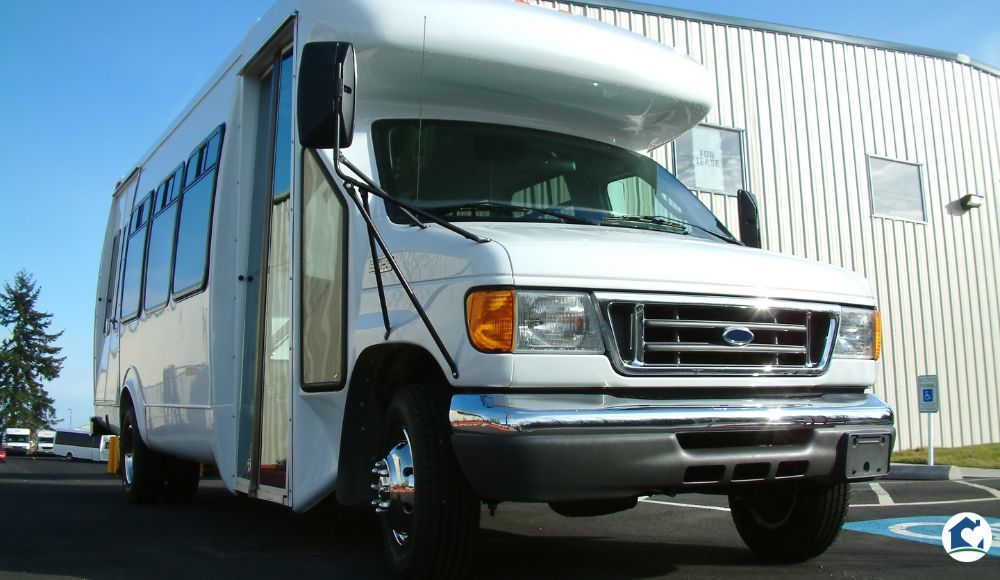
Older drivers, consequently, may need to explore alternative transportation options. Possibilities include public transit; ride-share services, though too expensive for everyday use; community-based shuttles; and even autonomous vehicles. Caregivers must anticipate playing a role in coordinating this transportation.
Among the impacted will be those who are single, widowed or childless. Twenty-two percent of American seniors are currently or at risk to become so-called elder orphans with no known family member or designated surrogate to act on their behalf. The growth of this group will likely spark increased awareness and advocacy efforts in service of closing the mobility gap.
More From Our Blog