The Importance of Self-Care for Family Caregivers

Family caregivers play a vital role in supporting relatives who experience illness, disabilities or are elderly. Their dedication and patience are often unseen as they put their own needs aside to care for others. The work of caregiving can create conditions that lead to burnout, emotional exhaustion, and physical health problems.
Self-care stands as an absolute necessity because it serves as a vital requirement and is one of the most important steps you can take to maintain your ability to deliver proper care to others.
Schedule Regular Breaks and Relaxation Times
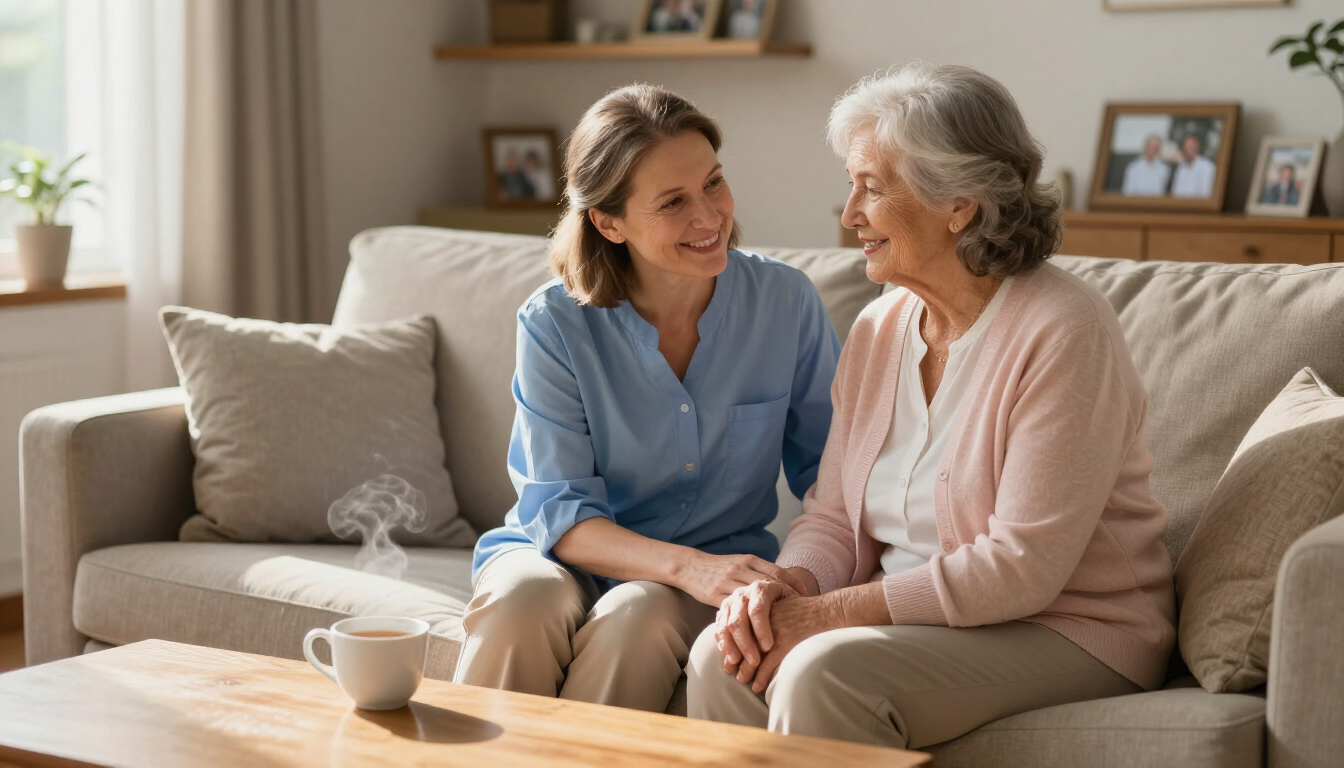
Caregiving can be a 24/7 job, especially for those who live with the person they are supporting. Without setting times to rest and recharge, caregivers are at risk of chronic stress and fatigue. By deliberately carving out moments in the day—even just 10 to 15 minutes—to sit quietly, read, take a walk, or enjoy a cup of tea, caregivers give themselves a chance to reset and recharge.
Regular breaks improve mental clarity, boost emotional resilience, and help prevent burnout. Whether it's through daily quiet time, a weekly evening off, or occasional respite care services, these breaks are vital for long-term well-being.
Eat Well and Stay Hydrated for Physical Health
It's easy for caregivers to skip meals, rely on fast food, or forget to drink enough water during a busy day. However, nutrition and hydration are foundational to good health. A balanced diet rich in fruits, vegetables, whole grains, lean proteins, and healthy fats provides the energy and stamina needed to meet the physical demands of caregiving.
Staying hydrated supports brain function, mood stability, and overall vitality. Caregivers should keep water bottles readily accessible and prepare simple, nutritious meals in advance to avoid relying on less healthy options when time is limited.
Engage in Hobbies that Help You Unwind
Engaging in an enjoyable activity, whether it's gardening, painting, crafting, reading, or listening to music, can significantly lower stress levels and bring a sense of joy back into daily life. Hobbies offer an escape from the constant responsibilities of caregiving and help restore a caregiver's sense of identity beyond that role. They are not a waste of time; they are a powerful form of emotional replenishment.
In Conclusion
Family caregivers need to understand that caring for themselves does not represent selfishness but rather serves as an essential requirement. The protection of physical and emotional health for caregivers depends on three basic strategies: scheduled breaks, proper nutrition and hydration, and time for hobbies. Self-care practices enable caregivers to improve their quality of life while maintaining their ability to deliver both emotional and practical support to their family members. A caregiver who maintains good health creates a better care environment for all parties involved.
Our Professional In-Home Caregivers Can Help You
Book your free, no-obligation in-home consultation with a licensed nurse today! Gain personalized feedback, explore your options, and receive expert recommendations—all from the comfort of your home. Don't wait; start your health journey now!
More From Our Blog