How to Create a Safe Home Environment for Dementia Patients
Suppose you want to create a safe home environment for dementia patients that enhances their well-being and comfort. This article will provide practical tips on minimizing risks, organizing living spaces, and using supportive devices to ensure safety while promoting independence and dignity in everyday living.
Installing Safety Features
To create a safer home environment for someone with dementia, consider adding or improving the following safety features:
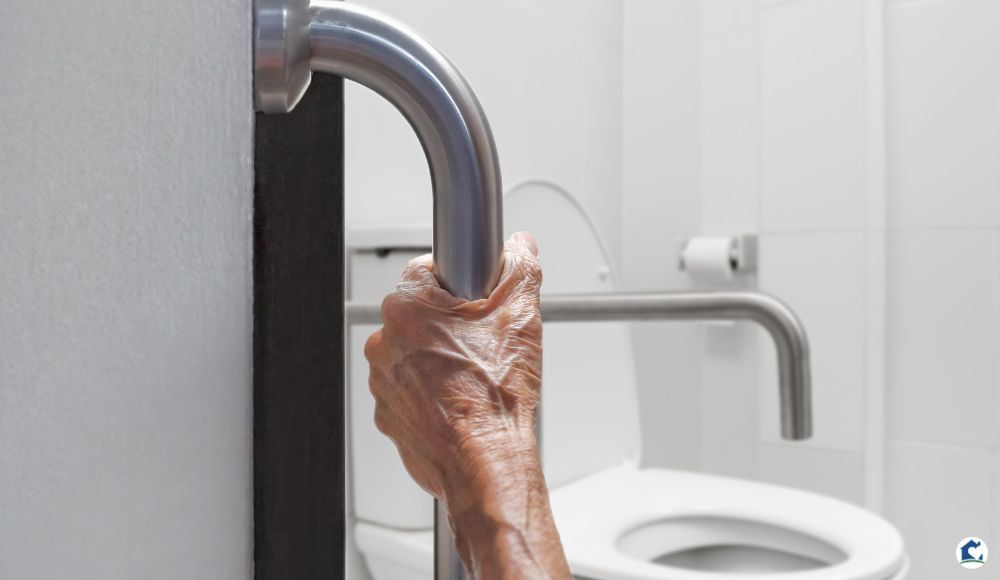
- Start by installing sturdy handrails on the stairs and grab bars in the bathrooms.
- Non-slip mats in the bathroom and dry floors throughout the house help prevent dangerous slips and falls.
- Install latches or deadbolts above or below eye level on all exterior doors to prevent wandering, but remove locks from interior doors to avoid accidental lock-ins.
- Install smoke and carbon monoxide detectors and test them regularly.
- Keep walkways and rooms well-lit, and use nightlights in hallways and bathrooms.
- Set the water heater temperature to 120°F to prevent scalding and clearly label hot and cold taps.
- Install motion sensor lights outside and inside for safety and ease of navigation.
- Consider purchasing personal fall alarms or room monitors for nighttime safety.
- Use a key safe for emergency access and consider a camera doorbell for monitoring visitors.
- Create an "Emergency Contacts" list that is visible and up to date.
Removing Hazards
Removing home hazards is another step in ensuring the safety of a dementia patient. Here are some suggestions:
- Eliminate throw rugs, extension cords, and clutter to reduce tripping hazards.
- Store medications, cleaning products, sharp objects, alcohol, and tools in locked cabinets or out of sight.
- Remove or secure firearms and weapons.
- Use appliances with automatic shut-off features and consider stove knob covers or removing stove knobs when not in use.
- Monitor or avoid using electric blankets and portable heaters.
- Arrange the furniture simply and consistently while avoiding busy patterns and sharp edges.
- Remove the tipping risk from large furniture by securing it.
Using Visual Reminders for Orientation and Tasks
Individuals with dementia may need visual reminders to help orient themselves and manage daily tasks. Here are some examples:
- Apply stickers or decals at eye level on glass doors and large windows for visibility.
- Label rooms and cupboards with words or pictures to assist with memory recall.
- Scheduling boards or calendars with pictures can help in organizing daily activities.
- Contrasting colors for walls, floors, doors, and significant objects help dementia patients with orientation.
Those who address potential hazards and implement supportive strategies for their loved ones with dementia create a safe, comfortable home environment. Prioritizing safety ensures their well-being and fosters peace of mind for caregivers, allowing those with dementia to maintain independence and dignity in a familiar, nurturing space.
Request a Free In-Home Consultation with a Licensed Nurse
Discover how Comforting Home Care by Phoebe can support you or your loved ones. Schedule a complimentary in-home consultation today, and one of our compassionate licensed nurses will visit you anywhere in Berks, Bucks, Lehigh, or Northampton Counties.
Contact us at 610-625-5206 or connect with us online to learn more.
More From Our Blog