Healthy Eating = Healthy Living: Nutritional Goals for Seniors
It is commonly known that eating too much, especially of the wrong types of food, can lead to issues like obesity, high blood pressure, and heart disease. But eating too little food can be equally as dangerous, especially for the elderly. Common consequences of malnutrition in seniors include:
- Weakened immune system
- Loss of muscle mass leading to an increased risk of falls
- Increased risk of hospitalization or death
For these reasons it is critical for seniors to maintain a well-balanced diet. Here are some tips on how seniors can ensure their diet is advancing their health goals:
Drink Plenty of Water
You may not expect drinking water to be the first item on a list about nutrition, but one of the most important things that anyone can do for their health is to ensure they are drinking enough water! Seniors are at an increased risk of dehydration as a result of medication they may be taking and also a general decrease in their thirst as they age.
Seniors should aim for 6-8 glasses of liquid per day, with plain water being the ideal way to stay hydrated. Keeping a water bottle filled with cool liquid nearby can be an easy way to make sure hydration is always top of mind.
Enjoy a Well-Balanced Diet
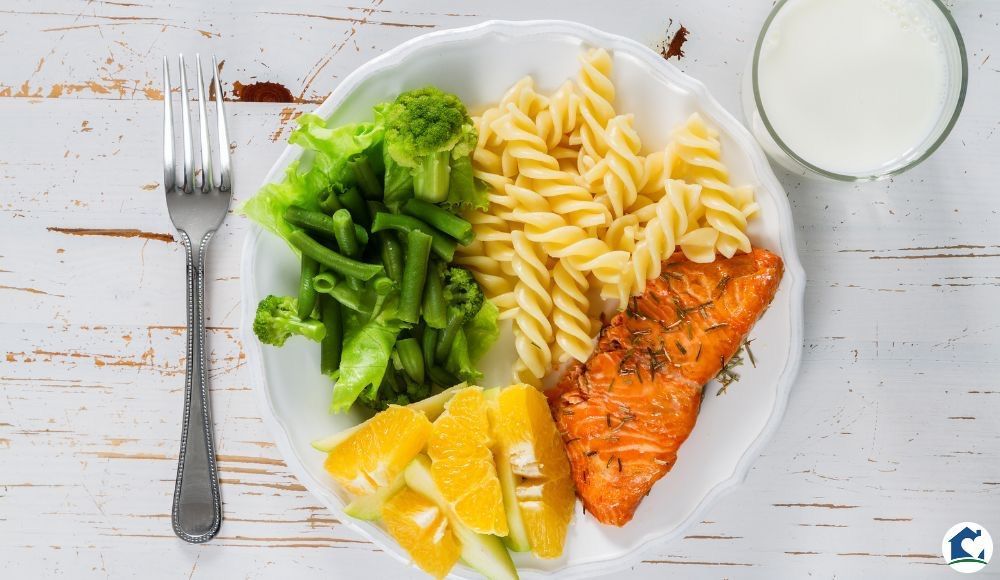
You may think of a well-balanced meal as being one that spans the traditional food pyramid from years past, but are you familiar with the latest diet guidelines? The traditional food pyramid is no longer suggested as it does not account for individual needs based on your lifestyle.
The USDA MyPlate website can provide you with personalized suggestions based on several factors including your age, gender, height/weight and physical activity level. MyPlate will even provide a proposed plan to help you eat a balanced diet based on the number of calories you need per day. Simply take the assessment to get started!
Eat the Rainbow
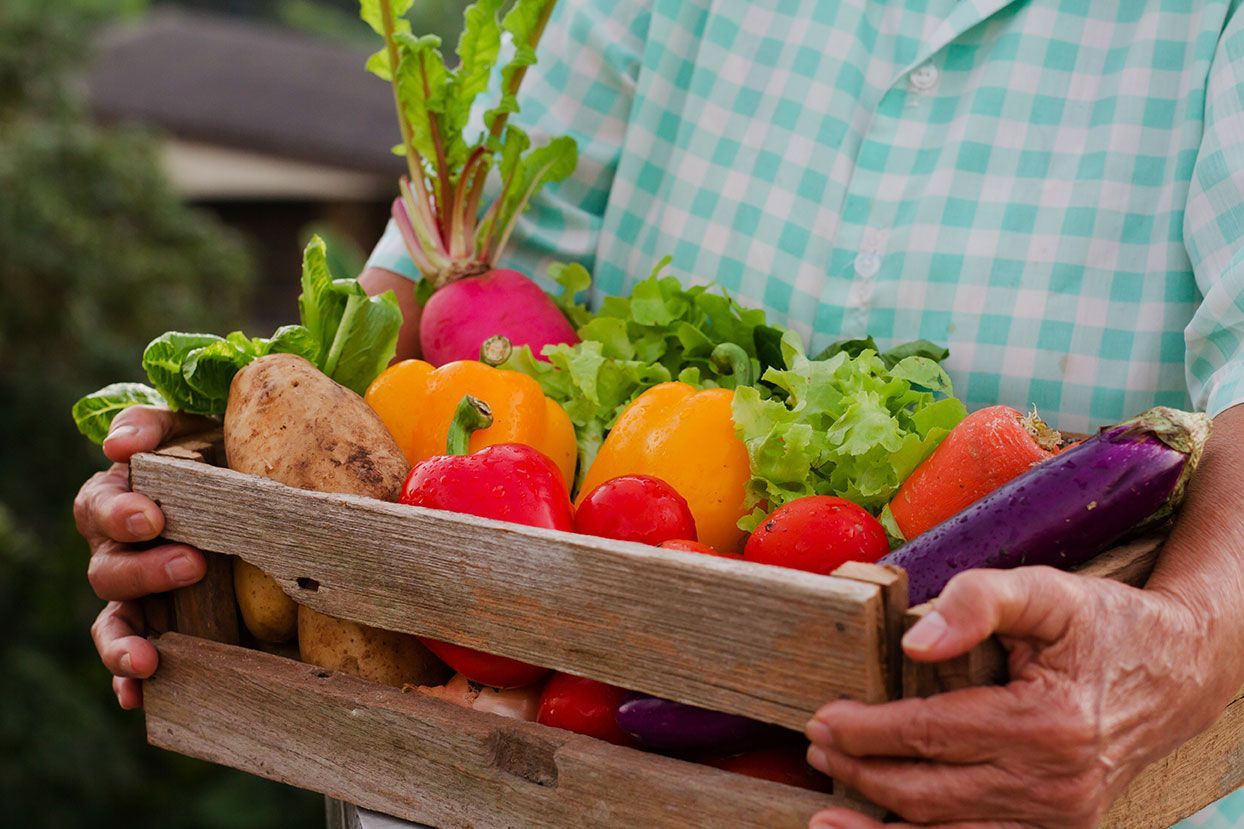
Have you ever looked at your plate and realized everything you are about to eat is all kind of beige? We understand, carbs are delicious! But it is extremely important to eat a variety of different foods to ensure you’re getting all the nutrients your body needs. An easy way to do this is to incorporate more colors on your plate. Dark leafy greens are a great source of vitamins A, C, E, and K while red vegetables may help reduce the risk of diabetes, osteoporosis and high blood pressure.
We challenge you to fill your cart at the supermarket with a wide variety of colors and come up with unique recipes that will expand your menu past your regular staples. This can be a fun and interesting way to increase the nutrients in your diet!
Supplement with a Multivitamin when Needed
The best place to get the vitamins your body needs is through your diet, but even the most diligent healthy eater may occasionally struggle to get one or more essential nutrients in their diet. Adding a multivitamin targeted towards seniors to your diet is an easy way to help make sure that there are no gaps in your vitamin intake. However, it is important to consult with your doctor before adding any type of supplement to your daily routine as there may be unintended interactions with other medications you may be taking.
Final Word
We hope that this guide has inspired you to take up some new healthy habits in your diet! Before implementing any of these changes, we highly recommend consulting your primary care doctor. It is always important to consider the full picture of your situation so that you can make the best choices for your health.
More From Our Blog