Engaging and Fun Activities for Seniors with Dementia

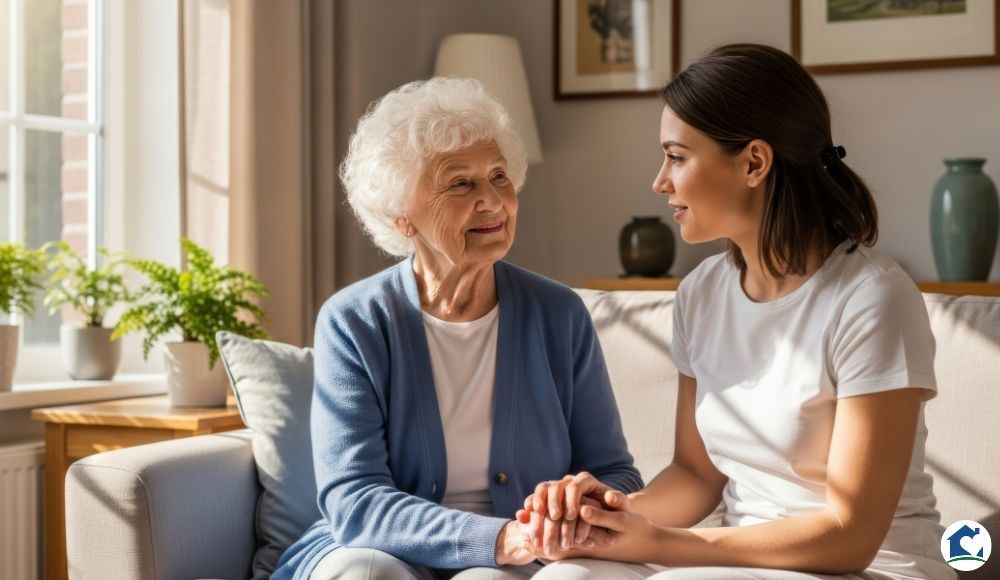
It can be challenging to watch a loved one who is in the late stages of dementia care struggle with tasks as their disease progresses. However, it is important to spend time with them and create memories together despite their diagnosis. One way to do this is by staying active with challenging and engaging tasks that stimulate the brain.
As a caregiver to a senior with dementia, it is important to understand the limitations and unique challenges that come with the territory. When brainstorming ideas for activities keep in mind these rules of thumb for engaging dementia patients:
- Tap into memories of the past
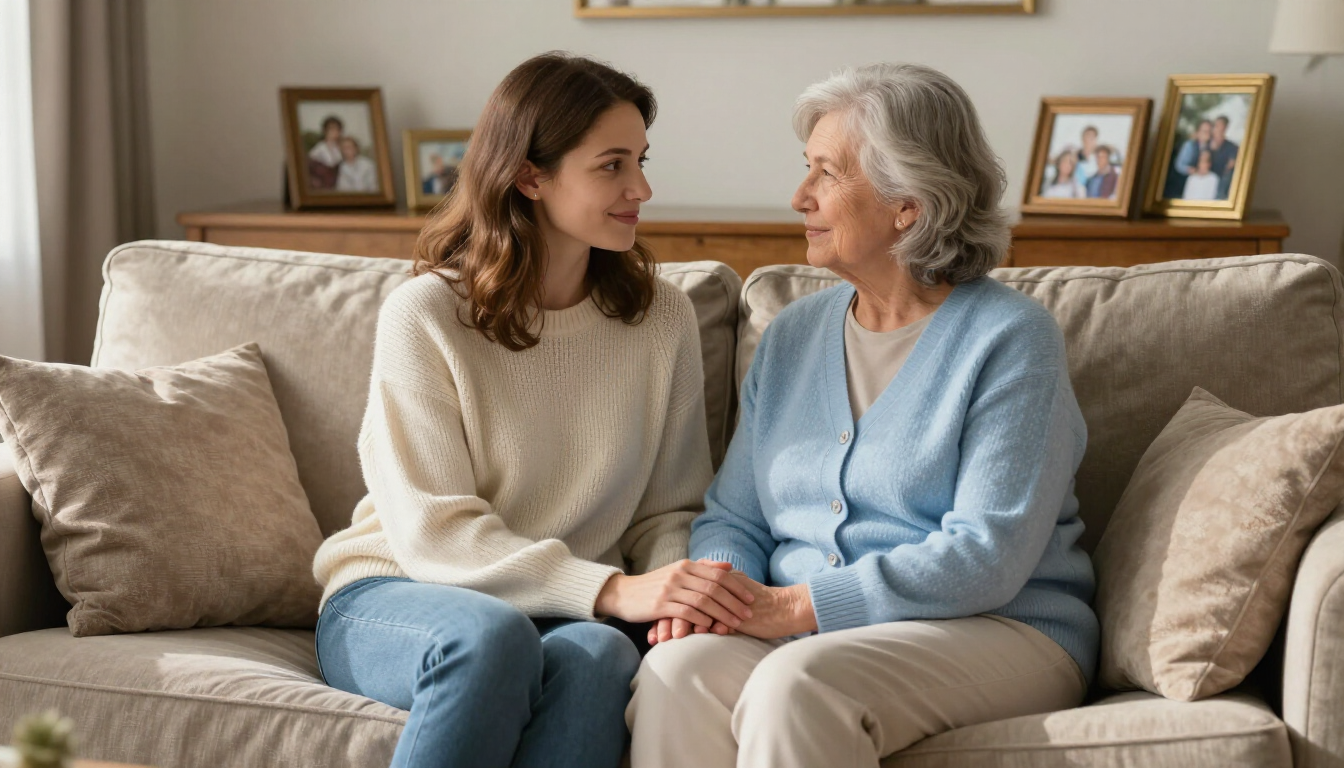
- Nostalgia plays a powerful role in our lives, and even individuals with dementia usually have strong memories of the past. Tap into these memories by playing music, watching movies and looking at pictures from your loved one’s younger days to help them relive this time in their lives.
- Avoid over-stimulating activities - People with dementia may struggle with over-stimulation when in crowded spaces or in situations with too much movement and noise. Be mindful of this when planning outings and try to avoid situations that your loved one may find stressful. It is also important to remember not to over-schedule activities, as many elements of daily life serve as ways to challenge and engage the mind (like chores around the house, making/serving a meal or doing laundry).
- Focus on having fun - The goal of your activity should be to relax, have fun and engage your loved one. If an activity is too skill-focused, the person with dementia may become frustrated with their abilities, especially if it is something that they used to be good at. Instead, try to keep things light-hearted and fun so it is enjoyable.
Maintaining an active lifestyle is one of the best things that anyone can do to slow the progression of disease and minimize side effects. However, an active lifestyle can vary significantly from person to person. The best thing that a caregiver or loved one can do is to come up with a personalized activity plan for maximum engagement.
Here are a few examples of personalized activities that may benefit a senior with dementia:
- Visit a favorite restaurant - If you and your loved one are up for an outing, visiting a long-time favorite restaurant can be a great activity to do together. For some individuals with dementia this may be challenging, particularly if they are easily flustered in unfamiliar settings. Try to go at a time when the restaurant will be less busy and score your loved one’s favorite table to make the trip as familiar as possible.
- Create a memory box
- As we mentioned earlier, connecting with one’s past is a wonderful way to spend an afternoon. Work with your loved one to create a collection of mementos, photos and other knick-knacks in a box so that they are able to visit different periods of their life whenever they want.
- Incorporate their past career or lifelong hobbies - If your loved one was a chef, they will likely be comforted by getting back in the kitchen, just as an artist would likely jump at the chance to pick up a paintbrush and get back to creating. Tailoring your activities to your loved one’s past interest is a surefire way to make sure that they will enjoy what you have planned, but make sure they focus on having fun and feeling the same spark that led them to their passion in the first place.
More From Our Blog