
5 Easy Ways to Lower Your Dementia Risk
May 2, 2022

While certain memory disorders are hereditary, that doesn’t mean those with a family history of dementia are doomed to this future. Adopting a healthy lifestyle is one of the best ways to lower your risk of dementia, and it’s never too late to start! Here are five of our top tips for how you can reduce your risk starting today:
- Get Regular Exercise
- Exercise is one of the best things you can do for your overall physical health, and it is also great for your brain! Studies show that older adults in the lowest 10% bracket for physical activity are more than twice as likely to get Alzheimer’s than those in the top 10% bracket. This may be partially because exercise gets more blood pumping to your hippocampus, the part of the brain responsible for your memory. As we age the hippocampus tends to shrink, but studies have shown that regular exercise can increase its size by up to 2% - effectively reversing aging in this part of your brain by 1 to 2 years!
- Stay Mentally Active
- Beyond physical exercise, doing regular mental exercises can go a long way toward lowering your dementia risk. Regularly doing puzzles, crosswords and other brain teasers can have a similar effect on your mind as going to the gym for your muscles. Find something that you enjoy and stick with it every week for maximum benefits.
- Eat Right - While eating a balanced diet can’t completely prevent the onset of dementia, there has been some evidence to link certain diets to a lower risk of dementia. The National Institute on Aging suggests the MIND diet may lower an individual’s risk for hypertension, a significant risk factor for dementia. Talk to your doctor to see if incorporating elements of the MIND diet would work well for you.
- Stop Smoking - An increased risk of dementia is one of many health risks that smokers face. According to a study by the National Institute of Health, individuals who are current smokers are at a “significantly increased risk of Alzheimer's disease with current smoking and a likely but not significantly increased risk of vascular dementia, dementia unspecified and cognitive decline.” The good news is that those who had previously quit smoking were at no greater risk than non-smokers, so there is no better time than the present to quit.
- Get Your Beauty Sleep - According to [recent studies] (https://www.health.harvard.edu/blog/sleep-well-and-reduce-your-risk-of-dementia-and-death-2021050322508), people 65 and older who slept less than five hours per night were twice as likely to develop dementia within the next 5 years than those who slept 6-8 hours a night. This may be because while you sleep your body undergoes many processes to eliminate toxins and proteins that build up in your body throughout the day. One of these proteins, beta-amyloid, has been linked to the development of Alzheimer’s plaques in the brain.
While there is no guarantee that making these changes to your lifestyle will eliminate your risk of developing dementia, adopting one or all of these strategies may decrease your risk. As always, consult your doctor before making any lifestyle changes that may impact your health.
More From Our Blog
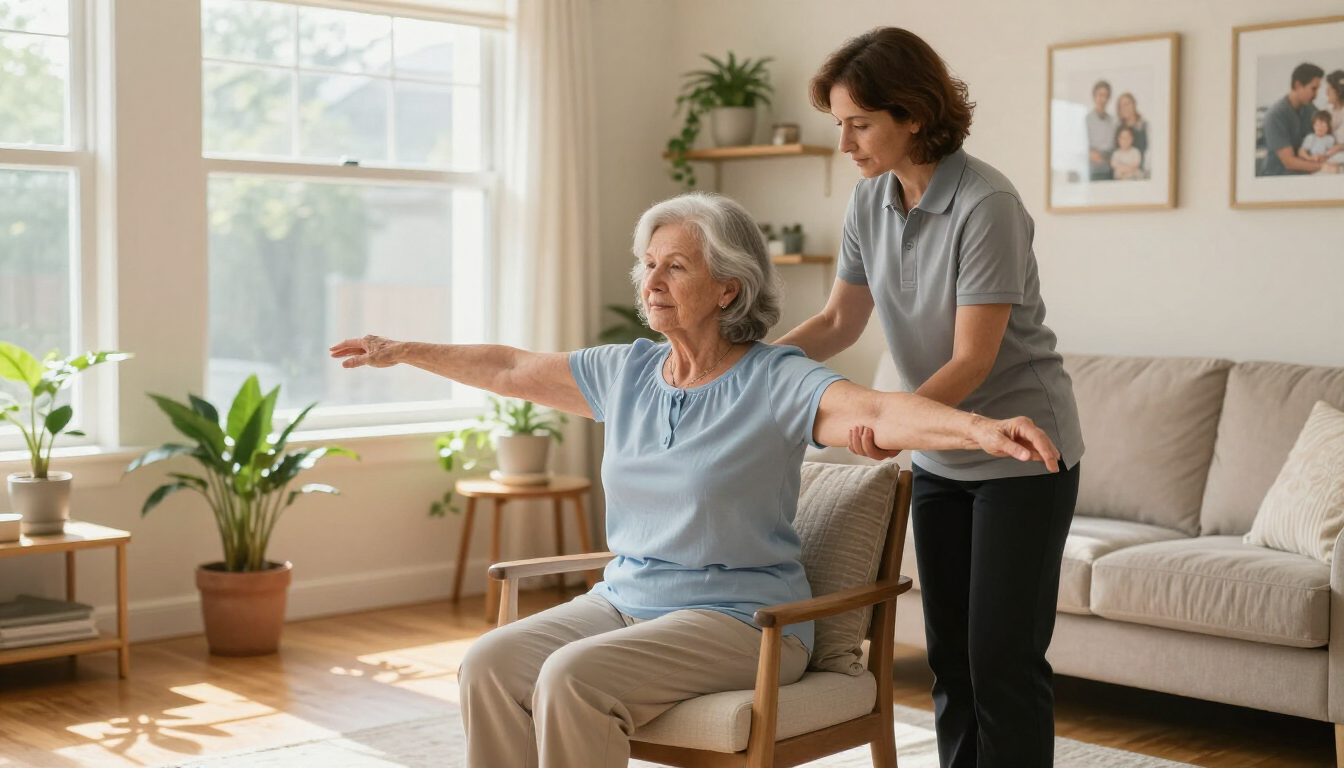
Learn how light exercise and gentle movement help MS patients maintain mobility, build balance, and reduce flare-ups through safe, supervised routines.
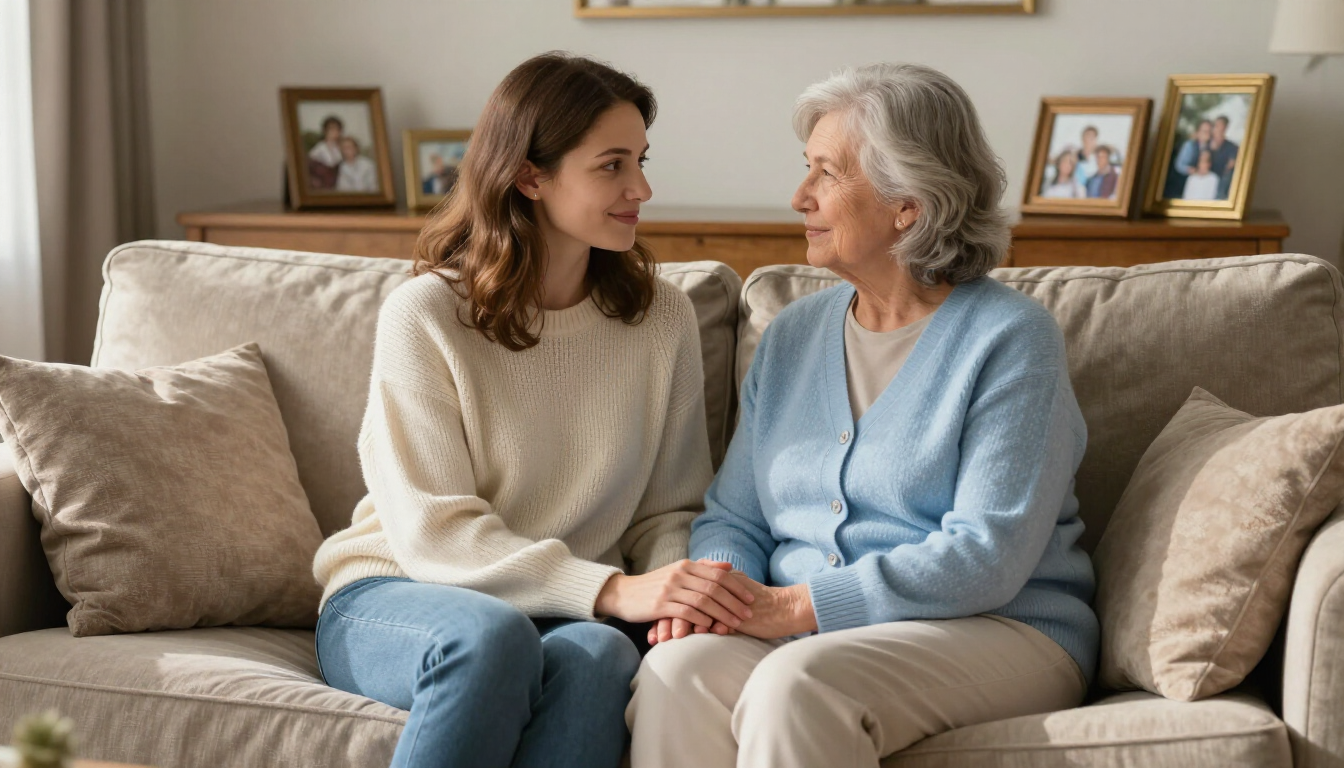
Learn how to handle difficult conversations about care needs with empathy, planning, and solutions-focused dialogue that brings families closer together.

Learn the key differences between in-home care and home health care — services, insurance coverage, and how to choose the right fit for your loved one.

Explore safe, affordable transportation options for seniors who no longer drive, including ride-share services, community shuttles, and help from family or friends.

Reduce fall risks and support mobility with practical tips on home safety, supervised recovery, and safe exercises to maintain strength and independence.

Discover how companionship enhances dementia care by reducing loneliness, building trust, and providing vital emotional and mental stimulation for improved well-being.
Discover how companionship improves seniors’ well-being by reducing loneliness, building meaningful relationships, and fostering a strong sense of purpose.

Learn practical nutritional guidance for MS patients living at home, including anti-inflammatory foods, energy-boosting strategies, and how to avoid common dietary triggers.
Learn practical tips for safely managing medications for elderly loved ones, including organizing pills, ensuring proper dosing, and avoiding prescription errors.